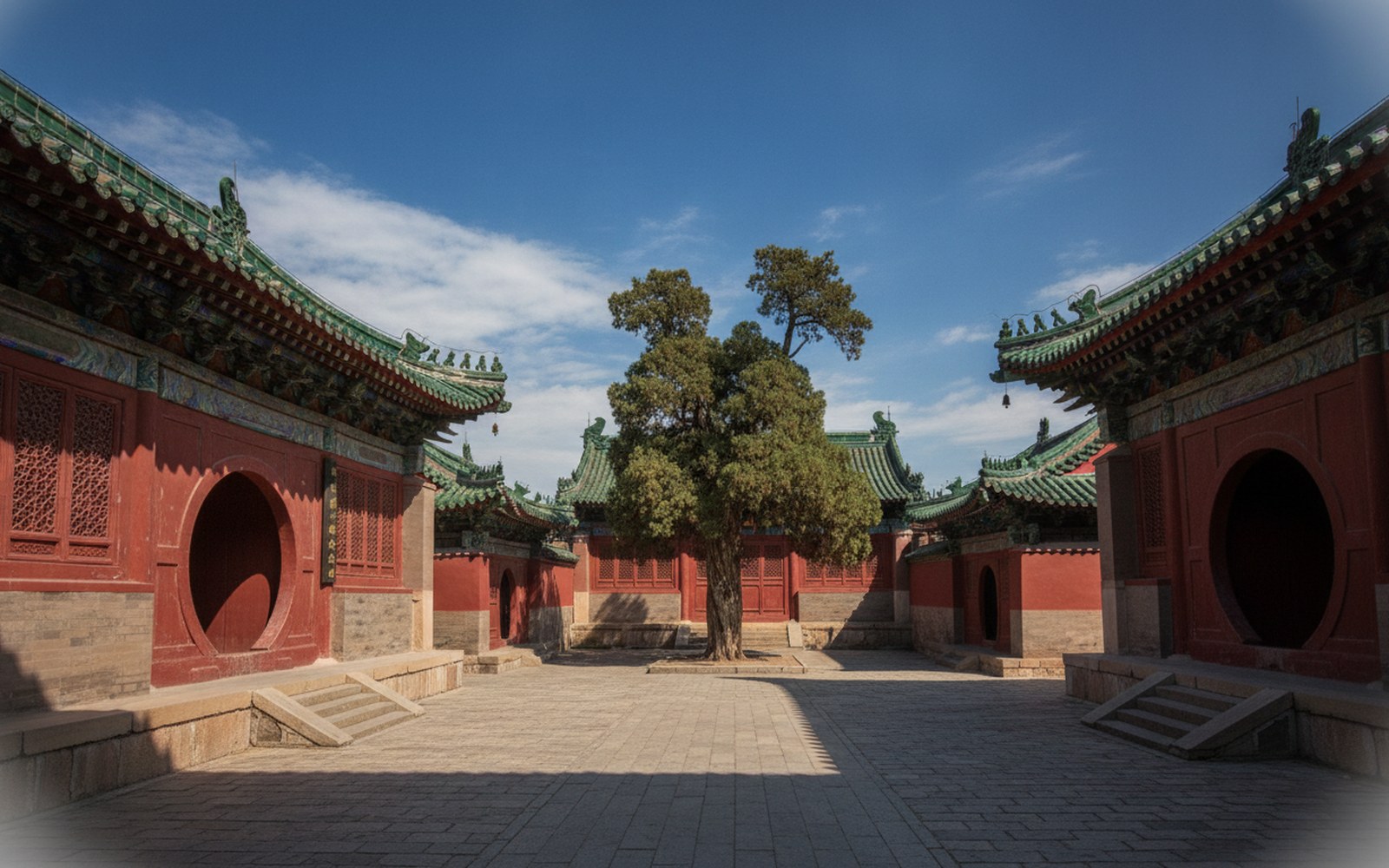
Linfen
Ancient temples and the iconic Drum Tower mark this Shanxi stopover.
linfen at a Glance
Everything you need to know before you go.
Where to Stay
Choose the neighborhood that fits your style.
Linfen City Center
Stay in the heart of Linfen for easy access to ancient Drum Tower landmarks and bustling streets. Hotels like Dongfang Lishe Hotel and SMIR International Hotel offer spacious rooms and convenient parking, with prices from budget-friendly to mid-range. Explore local eateries and shops within walking distance, perfect for first-time visitors seeking urban convenience.
Central convenienceBinhe Riverside
Choose the scenic Binhe area along the Fen River for modern comfort and leisure. Hotels like Swan International Hotel and Zhenghe Hotel provide excellent breakfasts and friendly service, with some featuring pools. Enjoy riverside walks and easy access to the city center, ideal for travelers seeking a relaxed stay with upscale amenities.
Riverside comfortLinfen West Railway Station
Ideal for transit travelers, this area near Linfen West Railway Station offers convenient access to high-speed rail. Hotels like Mercure and Manxin provide modern comfort with easy connections to the city. Explore nearby residential neighborhoods for local dining options, perfect for those catching early trains or short stays.
Transit hubHongtong County
Venture to Hongtong County for a cultural immersion near historic sites like the Grand Pagoda Tree. While specific hotels are not listed, the area offers authentic local experiences and budget-friendly stays. Ideal for history enthusiasts exploring Shanxi's heritage, with easy day trips from Linfen city.
Cultural heritagelinfen Highlights
The city's essential experiences.
Legend says Yao met the four wise men here and his wife, the Deer Fairy, became his spouse here. With green peaks and secluded valleys, it boasts 48 cultural and natural attractions, including three major ancient architectural complexes.
Founded in the Ming Dynasty, this Buddhist temple is famed for its exquisite Ming Dynasty colored hanging sculptures in the Mahavira Hall. The hall is filled with countless vivid figures and animals, a true treasure of Ming art.
A scenic area in Linfen featuring thousands of Buddha statues carved into a cliff face. It offers a unique glimpse into ancient Buddhist art and is a must-visit for history enthusiasts.
Dedicated to the legendary sage-king Yao, this temple complex includes the elegant Wufeng Tower and the hexagonal Yao Well Pavilion. The main hall, Guangyun Hall, is where Yao is said to have convened his ministers.
Founded in the Eastern Han Dynasty, the temple is divided into upper and lower sections. The Feihong Glazed Pagoda, rebuilt in the Ming Dynasty, is an octagonal 13-story structure renowned for its colorful glazed tiles.
Also known as Dazhong Tower, this drum tower in central Linfen dates back to the Northern Wei Dynasty. It houses a massive iron bell weighing 2500 kilograms, cast in the Jin Dynasty, and has been rebuilt seven times.
Also called Dayun Temple, it was first built in the Tang Dynasty and was once the tallest building in ancient Pingyang. Located in the city center, it is easily accessible by bus and offers a modest 5 yuan entry fee.
Located 5 km east of Huozhou City, this temple is dedicated to the goddess Nüwa, who is said to have stayed overnight here while mending the sky. It sits between Kuixing Pavilion and Lingyun Pagoda.
First built in the Sui Dynasty, this ancient government office is the only well-preserved prefecture-level yamen in China. The main hall showcases Yuan Dynasty architecture with natural tree trunks as beams, untouched by carving or paint.
These typical northern Chinese courtyard residences include 33 Ming and Qing dynasty courtyards, preserving the original layout. Many buildings bear inscriptions with construction dates and craftsmen's names, offering valuable historical insight.
Located at the southwest corner of the Hongtong county government office, this is China's only well-preserved Ming Dynasty prison, over 600 years old. It is famously linked to the legend of Yu Tangchun, who was wrongfully imprisoned here.
The folk rhyme 'Where did our ancestors come from? The Big Pagoda Tree in Hongdong' has echoed for centuries. This site marks the ancestral home of many Chinese, with a Han Dynasty pagoda tree beside Guangji Temple.
The second largest waterfall in China, located on the Yellow River between Shaanxi and Shanxi. The thunderous roar and mist create a spectacular sight, with rainbows often visible on sunny mornings around 10 am.
Meaning 'Gate of Chinese Civilization,' this east-facing gate stands west of Yao Temple. Its three front gates symbolize the legendary Three Sovereigns—Yao, Shun, and Yu—and the central main gate is 18 meters tall, symbolizing the nation's rise.
First built in the Tang Dynasty, this temple complex features over 30 buildings. The main Huang Feihu Palace Hall houses a magnificent wooden shrine with vivid hanging sculptures, making it a masterpiece of religious art.
Best Time to Visit
Each season offers something different.
Spring
Mild and dry, with occasional sandstorms. Pack layers and sunscreen.
Summer
Hot and rainy, with high temperatures. Bring sun protection and stay hydrated.
Autumn
Cool and clear, ideal for outdoor activities. Enjoy the fall colors.
Winter
Cold and dry, with little snow. Dress warmly and expect fewer crowds.
Suggested Itineraries
Plans for every schedule.
Classic 2-Day
Day 1: Linfen Drum Tower, Yao Temple, Guandi Temple. Day 2: Dongyue Temple, Xiaoxitian.
Heritage 3-Day
Day 1: Linfen Drum Tower, Yao Temple, Guandi Temple. Day 2: Dongyue Temple, Xiaoxitian. Day 3: Guangsheng Temple - Feihong Pagoda, Water God Temple.
Extended 4-Day
Day 1: Linfen Drum Tower, Yao Temple, Guandi Temple. Day 2: Dongyue Temple, Xiaoxitian. Day 3: Guangsheng Temple - Feihong Pagoda, Water God Temple. Day 4: Wahuang Temple, Fencheng Ancient Architectural Complex.
Local Tips
Insider knowledge for a smoother trip.
Summer is scorching; always use sunscreen and wear a hat.
Big day-night temperature difference; carry a light jacket for evenings.
Mountain roads are common; drive carefully if self-driving.
Do not deface ancient buildings; take your trash with you.
Download Qyer app for offline maps and more tips.
Mid-range hotels cost around 200 yuan per night.
FAQs About linfen
Quick answers to common questions.
Ready to Explore linfen?
Let MagicTrip build the perfect linfen itinerary — tailored to your interests, pace, and budget.