Langmusi
A two-province Tibetan town of monasteries, canyons, and high-altitude calm.
langmusi at a Glance
Everything you need to know before you go.
Where to Stay
Choose the neighborhood that fits your style.
Gansu Side (Sertri Monastery & Town)
This area includes the Hui Muslim village, where Dingding Hotel offers year-round comfort with 24-hour hot water and courtyard parking. From its windows, you can see monasteries on both sides of the border. The hotel is budget-friendly at 120 yuan for a standard room.
Year-round staySichuan Side (Kirti Monastery & Namo Canyon)
Home to the largest and most upscale hotel, Langmusi Grand Hotel, which is invested by Kirti Monastery and offers free entry to the monastery. It features standard rooms with air conditioning and 24-hour hot water, decorated with Tibetan elements. A standard room costs 180 yuan.
Best accessTown Center (Bus Station Area)
Near the bus station, Lv Peng Youth Hostel provides a vibrant atmosphere with a bar, restaurant, and sunny terrace. It offers dorm beds from 30 yuan, plus travel info and carpooling services. Note: it's closed in winter.
Budget-friendlyScenic Overlook (Border Views)
From certain points in the Hui village, you can enjoy panoramic views of both Gansu and Sichuan monasteries. The area is quiet and offers a unique perspective of the border landscape, ideal for photographers and those seeking tranquility.
Scenic viewslangmusi Highlights
The city's essential experiences.
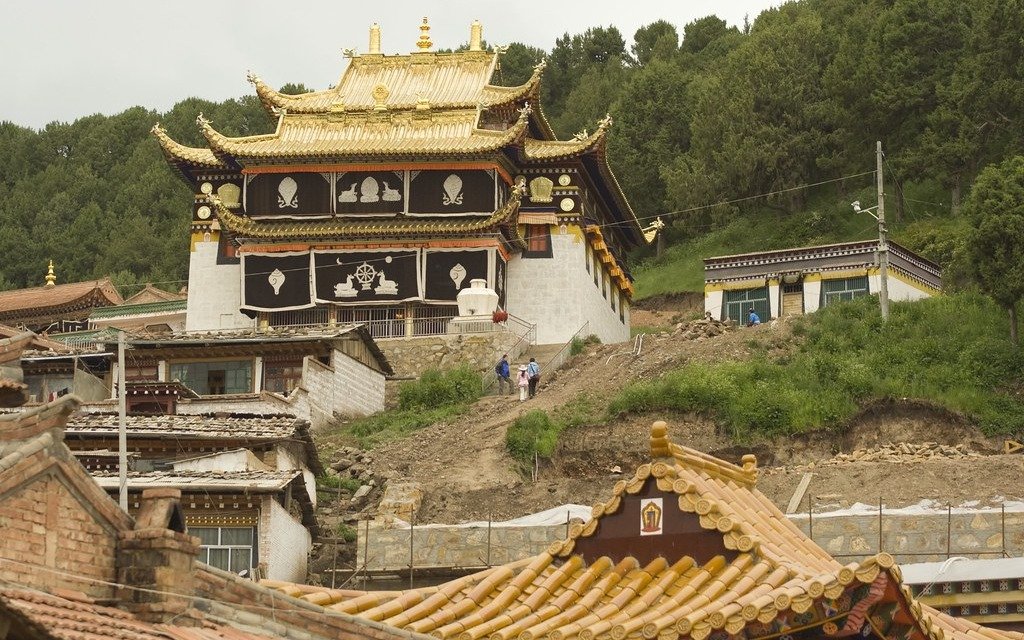
Two Tibetan Buddhist monastery complexes separated by a stream, one in Gansu and one in Sichuan. The site includes grand halls, stupas, and hundreds of monk quarters, rivaling Labrang Monastery in scale.
Part of the Langmusi complex, this monastery features the Great Assembly Hall, Maitreya Hall, and the Stupa of the Red Hat. Nearby, the sky burial platform offers a profound insight into Tibetan funeral traditions.
One of the two main monasteries in Langmusi, it is the largest and most influential Gelugpa monastery in Sichuan's Aba region. Its prayer halls and stupas are architectural gems worth exploring.
A dramatic canyon carved by the headwaters of the White Dragon River. Hike through its rugged terrain to discover waterfalls, cliffs, and pristine alpine scenery.
A unique red rock formation resembling a group of chanting lamas. Climb to the top for panoramic views of Langmusi and the surrounding valleys, especially stunning at sunset.
A serene highland lake near Langmusi, perfect for birdwatching and peaceful walks. The lake reflects the surrounding grasslands and mountains, offering a tranquil escape.
Join a guided horseback tour to explore the grasslands and experience nomadic life. Routes include the White Dragon River source, Red Rock Cliff loop, and a two-day adventure through Dhamo Grand Canyon.
Held from the 3rd to 16th day of the first Tibetan month, this festival features the spectacular 'Sunning of the Buddha' ceremony. Witness monks in colorful robes and intricate sand mandalas.
About 20 kilometers from Langmusi, natural open-air hot springs offer a relaxing soak amidst stunning mountain scenery. A perfect way to unwind after hiking.
Best Time to Visit
Each season offers something different.
Spring
Cool and dry, with temperatures rising gradually. Pack layers and be prepared for occasional dust storms.
Summer
Mild and pleasant, with lush grasslands and clear skies. Ideal for outdoor activities and monastery visits.
Autumn
Crisp air and golden grasslands, but temperatures drop quickly. Bring warm clothing and enjoy fewer crowds.
Winter
Cold and snowy, with temperatures well below freezing. Some facilities may close; only visit if you are prepared for harsh conditions.
Suggested Itineraries
Plans for every schedule.
Classic 2-Day
Day 1: Explore Langmusi Monasteries (Serti & Kirti), including Kirti Monastery (Gerdeng Temple) and Sertri Monastery (Sai Chi Temple) & Sky Burial Platform. Day 2: Hike to Sunset Viewpoint and visit Namo Grand Canyon.
Nature & Culture 3-Day
Day 1: Visit Langmusi Monasteries (Serti & Kirti) and Sertri Monastery (Sai Chi Temple) & Sky Burial Platform. Day 2: Hike to Sunset Viewpoint and explore Namo Grand Canyon. Day 3: Day trip to Gahai Lake for birdwatching and scenic views.
Extended 4-Day
Day 1: Explore Langmusi Monasteries (Serti & Kirti) and Kirti Monastery (Gerdeng Temple). Day 2: Visit Sertri Monastery (Sai Chi Temple) & Sky Burial Platform, then hike to Sunset Viewpoint. Day 3: Full day in Namo Grand Canyon, including hiking and picnicking. Day 4: Day trip to Gahai Lake, return to town for leisure.
Local Tips
Insider knowledge for a smoother trip.
At 3,300m, take it slow to avoid altitude sickness; drink plenty of water.
When visiting monasteries, dress modestly and avoid pointing at statues or monks.
Summer offers the most comfortable weather and vibrant scenery.
Public buses connect Langmusi to nearby towns like Hezuo and Ruoergai; check schedules in advance.
Book ahead during peak season (July-August) as guesthouses fill up quickly.
Try local Tibetan dishes like yak meat and butter tea, but be aware that vegetarian options are limited.
FAQs About langmusi
Quick answers to common questions.
Ready to Explore langmusi?
Let MagicTrip build the perfect langmusi itinerary — tailored to your interests, pace, and budget.