Jiuzhi
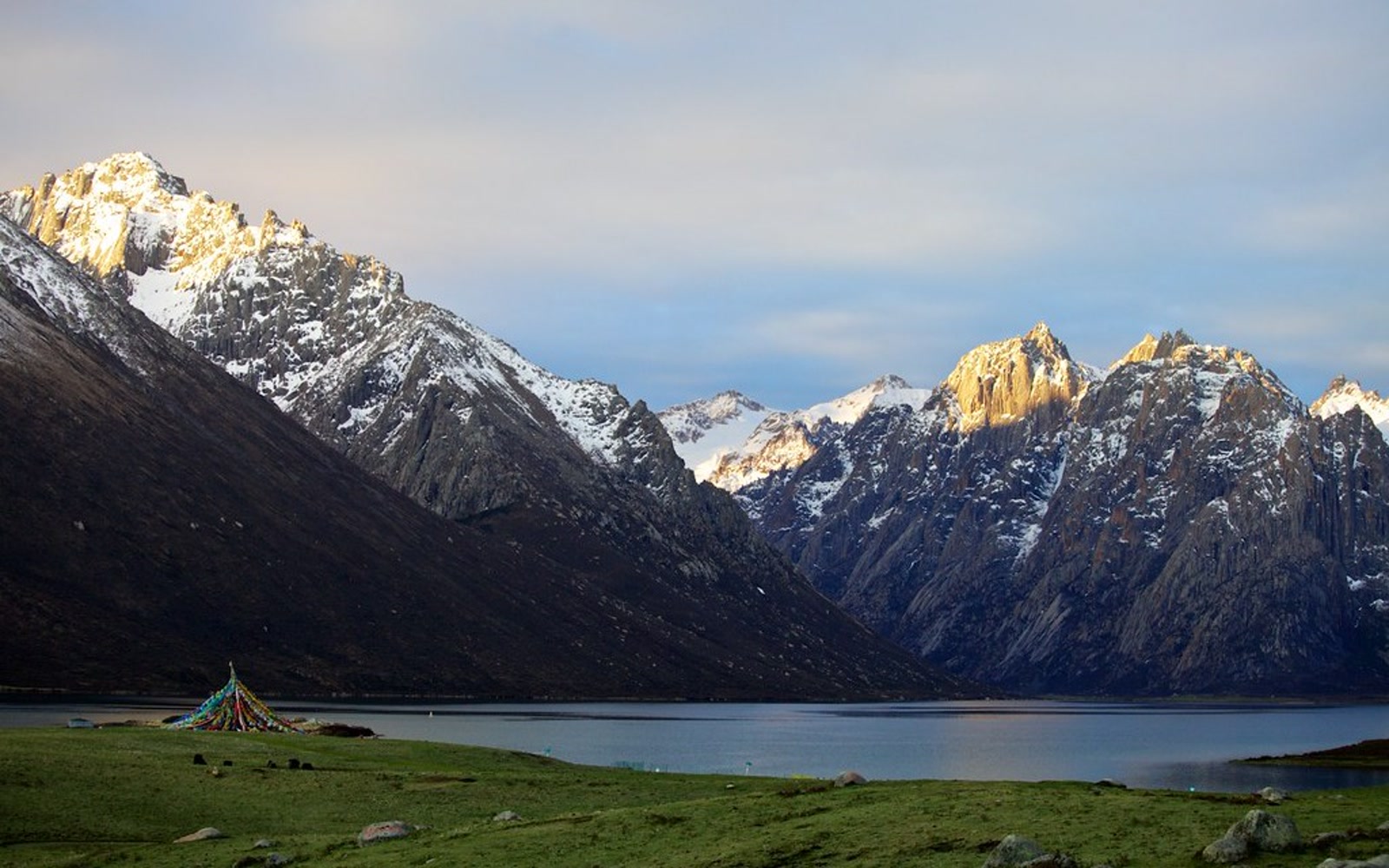
A remote Tibetan plateau stop framed by high-altitude wetlands and vast grasslands.
jiuzhi at a Glance
Everything you need to know before you go.
Where to Stay
Choose the neighborhood that fits your style.
Jiuzhi Town
Jiuzhi Town is the administrative and commercial heart of Jiuzhi County, offering convenient access to local government offices, markets, and basic services. It serves as a practical base for exploring the region, with simple guesthouses and eateries catering to travelers. The town's central location makes it ideal for arranging transport to nearby attractions, though amenities are basic.
Central hubAwancang Wetland Area
The Awancang Wetland Area is a scenic natural zone known for its high-altitude marshlands and diverse birdlife, attracting nature enthusiasts and photographers. Accommodation here is limited but provides a peaceful retreat close to the wetland's walking trails and viewing points. Staying here offers a chance to experience the serene plateau landscape and observe local wildlife in their natural habitat.
Nature escapeNianbaoyuze Scenic Area
The Nianbaoyuze Scenic Area is a mountainous region featuring dramatic peaks, glaciers, and alpine lakes, drawing hikers and adventure seekers. Lodging options are sparse, mostly simple campsites or basic lodges, but the area rewards visitors with stunning vistas and a sense of remoteness. It's best suited for those seeking outdoor activities and a deeper immersion into the plateau's wild beauty.
Adventure baseBaima Temple Area
The Baima Temple Area is a cultural and religious site centered around a historic Tibetan Buddhist monastery, offering insight into local spiritual traditions. Nearby guesthouses provide modest stays for pilgrims and travelers interested in monastery life. The area is quiet and reflective, with opportunities to observe daily rituals and interact with monks, making it ideal for cultural immersion.
Cultural stayjiuzhi Highlights
The city's essential experiences.
One of the six great monasteries of Tibetan Buddhism, renowned for its Buddhist college and grand architecture. Explore its prayer halls and admire the intricate murals and thangkas.
The world's largest Buddhist academy, home to thousands of monks and nuns in crimson dwellings. Witness the devotion and serene atmosphere of this spiritual haven.
A picturesque route through the Gansu highlands, offering stunning views of grasslands and mountains. Stop at viewpoints to capture the vast landscapes and local Tibetan culture.
The first bridge over the Yellow River, set amidst the endless Maqu Grasslands. Walk across for panoramic views of the river and the surrounding pastoral scenery.
A pristine wetland grassland teeming with wildlife and seasonal flowers. Ideal for birdwatching and experiencing the tranquil beauty of the Tibetan plateau.
A must-try bowl of hand-pulled noodles in rich beef broth, topped with tender beef and fresh herbs. A hearty meal to fuel your journey through the highlands.
Best Time to Visit
Each season offers something different.
Spring
Cool and dry, with occasional sandstorms. Temperatures range from 0°C to 15°C. Pack layers and sun protection.
Summer
Mild and rainy, with temperatures 10-20°C. Ideal for visiting grasslands and lakes. Bring rain gear and warm clothing for evenings.
Autumn
Crisp and clear, with golden grasslands. Temperatures drop quickly, 0-15°C. Perfect for photography, but dress warmly.
Winter
Cold and dry, with temperatures often below -10°C. Heavy snow may block roads. Only for experienced travelers seeking solitude.
Suggested Itineraries
Plans for every schedule.
Classic 2-Day
Day 1: Authentic Lanzhou Beef Noodles, Scenic Drive via Linxia & Hezuo, Yellow River First Bridge & Maqu Grasslands. Day 2: Awancang Wetland Grassland, Labrang Monastery.
Highland Culture 3-Day
Day 1: Authentic Lanzhou Beef Noodles, Scenic Drive via Linxia & Hezuo. Day 2: Yellow River First Bridge & Maqu Grasslands, Awancang Wetland Grassland. Day 3: Labrang Monastery, Larung Gar.
Deep Exploration 4-Day
Day 1: Authentic Lanzhou Beef Noodles, Scenic Drive via Linxia & Hezuo. Day 2: Yellow River First Bridge & Maqu Grasslands, Awancang Wetland Grassland. Day 3: Labrang Monastery. Day 4: Larung Gar.
Local Tips
Insider knowledge for a smoother trip.
Jiuzhi is over 3,600m; acclimatize slowly and avoid strenuous activity on arrival.
Some areas near the border may require permits; check with local authorities in advance.
When visiting monasteries, dress modestly and walk clockwise around religious sites.
Weather changes rapidly; carry a waterproof jacket and warm layers even in summer.
Public transport is limited; consider hiring a local driver or joining a tour group.
ATMs may be scarce and mobile signal weak; carry enough cash and offline maps.
FAQs About jiuzhi
Quick answers to common questions.
Ready to Explore jiuzhi?
Let MagicTrip build the perfect jiuzhi itinerary — tailored to your interests, pace, and budget.