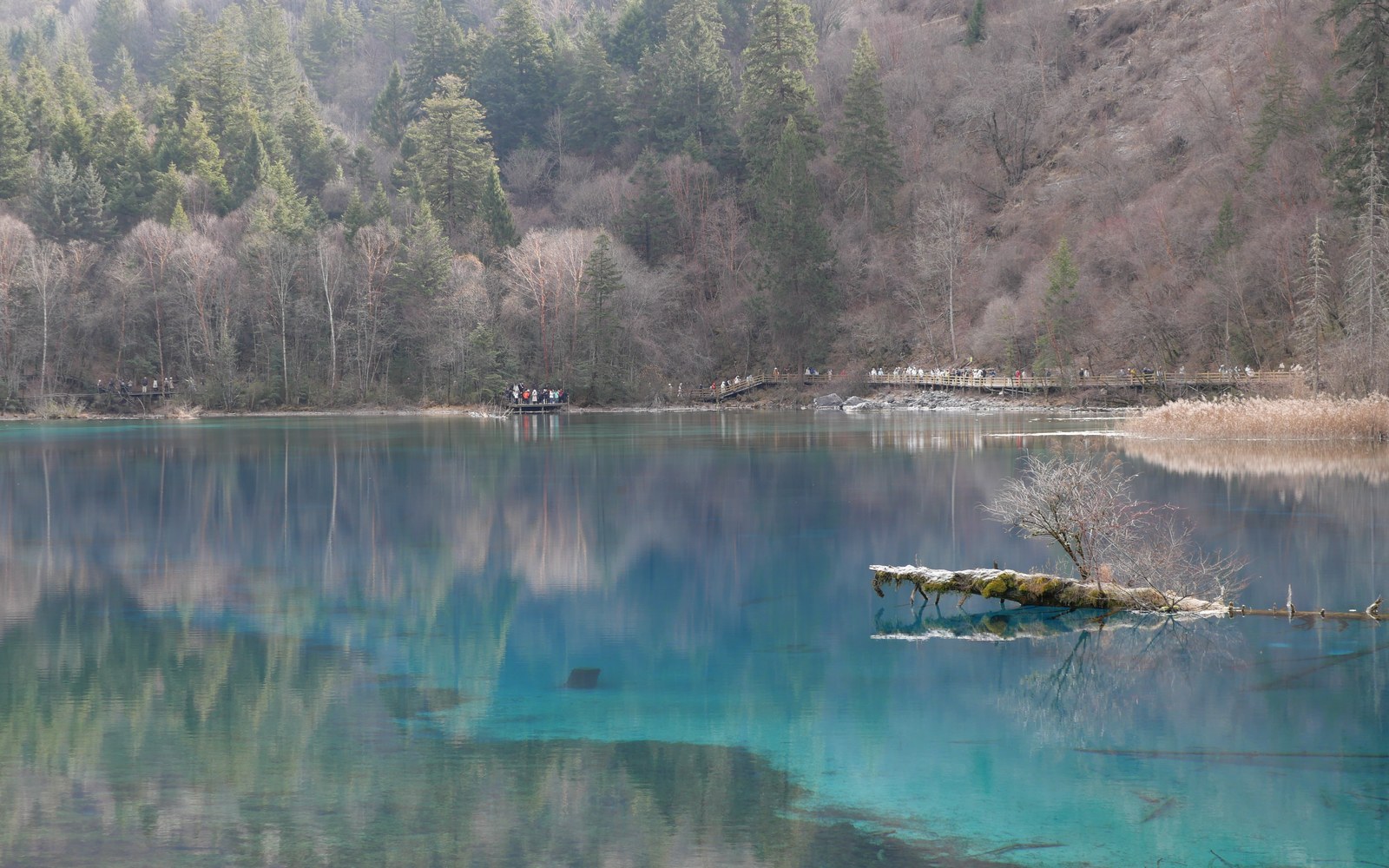
Jiuzhaigou
A UNESCO-listed fairyland of turquoise lakes, cascading waterfalls, and vibrant autumn forests in Southwest China.
jiuzhaigou at a Glance
Everything you need to know before you go.
Where to Stay
Choose the neighborhood that fits your style.
Zhangzha Town
Zhangzha Town, located at the entrance of Jiuzhaigou Valley, offers the most convenient access to the scenic area. It features a range of accommodations from five-star hotels like Sheraton to budget hostels and Tibetan-style guesthouses. Nearby, you'll find restaurants, shops, and entertainment centers like the Dream Jiuzhai performance. Ideal for first-time visitors seeking easy access and diverse options.
Best accessJiuzhai Huamei Resort
Jiuzhai Huamei Resort, situated in the Zhangzha area, provides a tranquil stay with modern amenities. It is close to the valley entrance, making it easy to start your exploration early. The resort features comfortable rooms and facilities, suitable for travelers who prefer a peaceful environment after a day of sightseeing. Nearby, there are local eateries and shops for convenience.
Comfortable stayGanhaizi
Ganhaizi, located in Zhangzha Town, is home to the luxurious InterContinental Jiuzhai Paradise Resort, known for its stunning architecture and natural surroundings. This area offers a premium experience with a glass-domed lobby and black swans. It's perfect for those seeking a high-end retreat amidst nature. However, it's a bit farther from the valley entrance, so plan for transportation.
Luxury retreatPengfeng Village
Pengfeng Village, just a short walk from the Jiuzhaigou entrance, is a budget-friendly area with many hostels and guesthouses. It offers easy access to the scenic area and a vibrant local atmosphere. You'll find affordable dining options and small shops. Ideal for backpackers and budget travelers who want to save on accommodation while staying close to the park.
Budget-friendlyjiuzhaigou Highlights
The city's essential experiences.
Known as a unique wonder of Jiuzhaigou, this lake shimmers with turquoise and other hues. Visit Tiger's Mouth for panoramic views, best at 9:00 AM by the shore and 4:00 PM for wide shots.
A vibrant, ever-changing pool in Zechawa Valley, rich in calcium carbonate. Its colors shift from blue to orange, green to sky-blue. Best photographed in sunlight, and it never freezes.
The highest and largest lake in Jiuzhaigou, nestled at the top of Zechawa Valley. Its crystal-clear waters reflect the surrounding peaks, offering serene views and a tranquil atmosphere.
A calm, mirror-like lake that perfectly reflects the surrounding mountains and forests. Best visited in the early morning when the water is still, creating stunning symmetrical shots.
The most beautiful of Jiuzhaigou's valleys, stretching 18 km from Nuorilang Waterfall to the Primeval Forest. Scenery changes dramatically with seasons, offering breathtaking views year-round.
The main entrance valley of Jiuzhaigou, featuring a series of lakes and waterfalls. It's home to Shuzheng Village, the largest Tibetan village, and offers a mix of natural and cultural sights.
The highest and longest valley in Jiuzhaigou, averaging 3,000 meters in altitude. It leads to Long Lake and Five-Color Pond, with dramatic alpine scenery and diverse wildlife.
China's widest alpine waterfall at 270 meters, a spectacular sight in Jiuzhaigou. Best viewed in the morning when the mist creates rainbows, and it's a highlight of the Rize Valley route.
The main gateway to Jiuzhaigou, offering ticketing, information, and shuttle services. Start your exploration here to plan your route and learn about the park's highlights.
A key hub in Jiuzhaigou where the three valleys meet. It provides dining, restrooms, and shuttle connections, making it a convenient stop for visitors exploring the scenic area.
Zharu Valley offers a cultural route with Tibetan villages and temples. Visit Zharu Monastery to experience local Buddhist traditions and see the unique stupas and prayer flags.
Located near Jiuzhaigou, Huanglong features travertine pools in stunning colors, including the famous Five-Colored Pool. The area also has the Huanglong Temple, adding cultural depth.
Best Time to Visit
Each season offers something different.
Spring
Cool and dry, with temperatures gradually rising. Water levels are lower, but wildflowers bloom. Pack layers and a light jacket.
Summer
Warm and rainy, with lush greenery and full water flow. Bring rain gear and sunscreen; trails can be slippery.
Autumn
Crisp and sunny, with spectacular fall foliage. This is the best time to visit; expect crowds. Dress in layers.
Winter
Cold and snowy, with frozen lakes and fewer visitors. Some areas may be closed. Wear heavy winter clothing and sturdy boots.
Suggested Itineraries
Plans for every schedule.
Classic 2-Day
Day 1: Jiuzhaigou Valley Visitor Center, Shuzheng Valley (including Five Flower Lake, Mirror Lake, Nuorilang Waterfall). Day 2: Rize Valley (including Five-Color Pond, Long Lake), Zechawa Valley, Zharu Valley or Tibetan Temple.
Highlights 3-Day
Day 1: Jiuzhaigou Valley Visitor Center, Shuzheng Valley (including Five Flower Lake, Mirror Lake). Day 2: Rize Valley (including Five-Color Pond, Long Lake), Zechawa Valley, Nuorilang Waterfall. Day 3: Zharu Valley or Tibetan Temple, Huanglong Five-Colored Pool & Temple.
Full Exploration 4-Day
Day 1: Jiuzhaigou Valley Visitor Center, Shuzheng Valley (including Five Flower Lake, Mirror Lake). Day 2: Rize Valley (including Five-Color Pond, Long Lake), Zechawa Valley, Nuorilang Waterfall. Day 3: Zharu Valley or Tibetan Temple, Huanglong Five-Colored Pool & Temple. Day 4: Leisure time at Jiuzhaigou Valley Visitor Center or revisit favorite spots.
Local Tips
Insider knowledge for a smoother trip.
Autumn (September-October) offers the most vibrant colors and clear skies.
Temperatures vary greatly with altitude; a waterproof jacket is essential.
Long boardwalks require sturdy, waterproof footwear.
High altitude means strong UV rays; use sunscreen, sunglasses, and lip balm.
Take it easy, stay hydrated, and avoid strenuous activity to prevent symptoms.
Do not litter or feed fish; help preserve the natural beauty.
FAQs About jiuzhaigou
Quick answers to common questions.
Ready to Explore jiuzhaigou?
Let MagicTrip build the perfect jiuzhaigou itinerary — tailored to your interests, pace, and budget.