Jinguashi
Jinguashi at a Glance
Everything you need to know before you go.
Where to Stay
Choose the neighborhood that fits your style.
Jinguashi Historic District
The historic core of Jinguashi, where you'll find the Gold Museum, old Japanese-era buildings, and the iconic gold-panning experience. Stay here for immediate access to key sights and a sense of the town's mining past.
Best accessJinguashi Hillside
Perched on the slopes above the main town, this area offers panoramic views of the northeast coast and the famous Yin Yang Sea. Quieter and more scenic, it's ideal for nature lovers and photographers seeking a peaceful retreat.
Scenic viewsJinguashi Old Street Area
Near the old street, this zone is packed with local eateries, souvenir shops, and tea houses. It's the liveliest part of town, perfect for foodies and those wanting to soak up the local atmosphere.
Food & cultureJinguashi Mountain Trail Access
Close to the start of the Teapot Mountain and other hiking trails, this area suits outdoor enthusiasts. Wake up early to hit the trails before the crowds, and enjoy the fresh mountain air.
Outdoor baseJinguashi Highlights
The city's essential experiences.
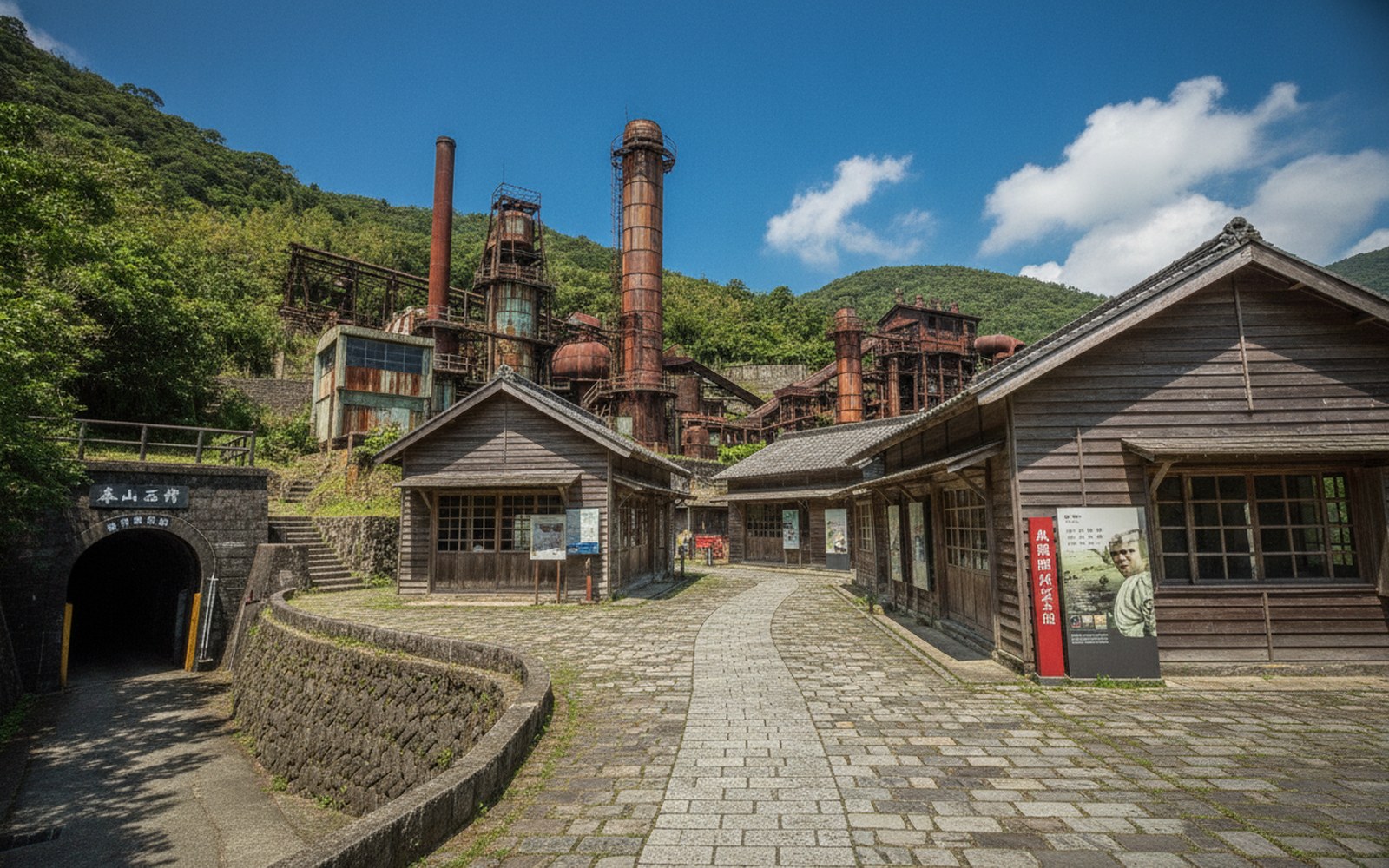
Explore the former gold mining hub of Jinguashi, where the island's gold rush began. See restored mining equipment and learn about the area's rich history.
Walk through the historic Benshan Fifth Tunnel, once a key gold mining site. The cool, dim passage offers a glimpse into the miners' world and leads to stunning viewpoints.
Housed in the former Taiwan Gold Company office, this museum showcases the region's gold mining legacy. View gold artifacts and interactive exhibits that bring the gold rush era to life.
Hike to the iconic Teapot Mountain, named for its teapot-like rock formation. The trail offers panoramic views of the northeast coast and the surrounding hills.
Climb Mount Keelung for a challenging yet rewarding hike. From the summit, enjoy sweeping views of Jinguashi, Keelung Island, and the Pacific Ocean.
Stroll along the Jinguashi Coastal Walk, where rugged cliffs meet the sea. This scenic path offers breathtaking views of the coastline and the famous Yin-Yang Sea.
Visit the serene Jinguashi Shrine, a small Japanese-style shrine tucked into the hillside. It offers a peaceful retreat and a glimpse into the area's Japanese colonial past.
Wander through Qitang Old Street, lined with traditional shops and eateries. Sample local snacks and soak in the nostalgic atmosphere of this historic mining town.
Cross the historic Diao Bridge, a suspension bridge that once connected mining communities. It offers scenic views of the valley and a sense of the area's industrial heritage.
See the ruins of the Shuinandong Smelter, a once-thriving copper refinery. The red-brick structures against the sea create a hauntingly beautiful sight.
Discover the unique geological formations of Jinguashi Geopark. The park features unusual rock shapes and mineral colors, shaped by volcanic activity and erosion.
Marvel at the Yin-Yang Sea, where the ocean's blue meets the golden-yellow waters caused by mineral runoff. This striking contrast is a natural wonder unique to Jinguashi.
Best Time to Visit
Each season offers something different.
Spring
Mild and misty, occasional rain. Good for hiking, but bring a light jacket and rain gear.
Summer
Hot and humid with frequent showers. Afternoon thunderstorms common; plan indoor visits and stay hydrated.
Autumn
Cooler and drier, with clear skies. Ideal for outdoor exploration and photography.
Winter
Cold and damp, with frequent drizzle and fog. Dress warmly and expect limited visibility.
Suggested Itineraries
Plans for every schedule.
Classic 2-Day
Day 1: Gold Ecological Park, Benshan Fifth Tunnel, Jinguashi Gold Museum, Jinguashi Shrine. Day 2: Teapot Mountain, Jinguashi Geopark, Qitang Old Street, Yin-Yang Sea.
Heritage & Nature 3-Day
Day 1: Gold Ecological Park, Benshan Fifth Tunnel, Shuinandong Smelter. Day 2: Teapot Mountain, Jinguashi Geopark, Jinguashi Coastal Walk, Yin-Yang Sea. Day 3: Jinguashi Shrine, Mount Keelung, Qitang Old Street, Diao Bridge.
Full Exploration 4-Day
Day 1: Gold Ecological Park, Benshan Fifth Tunnel, Jinguashi Gold Museum. Day 2: Shuinandong Smelter, Jinguashi Coastal Walk, Yin-Yang Sea, Diao Bridge. Day 3: Teapot Mountain, Jinguashi Geopark, Jinguashi Shrine. Day 4: Mount Keelung, Qitang Old Street.
Local Tips
Insider knowledge for a smoother trip.
The area is hilly with uneven paths; comfortable walking shoes are essential.
Mist and rain can appear suddenly; check the forecast before heading out.
Don't miss the historic mining sites and museum exhibits for a deep dive into local history.
Sample traditional Taiwanese treats like taro balls and sweet potato balls at local stalls.
Parking is limited; take the bus or train to avoid traffic and parking hassles.
The Yin-Yang Sea viewpoint offers stunning coastal views, especially on clear days.
FAQs About Jinguashi
Quick answers to common questions.
Ready to Explore Jinguashi?
Let MagicTrip build the perfect Jinguashi itinerary — tailored to your interests, pace, and budget.