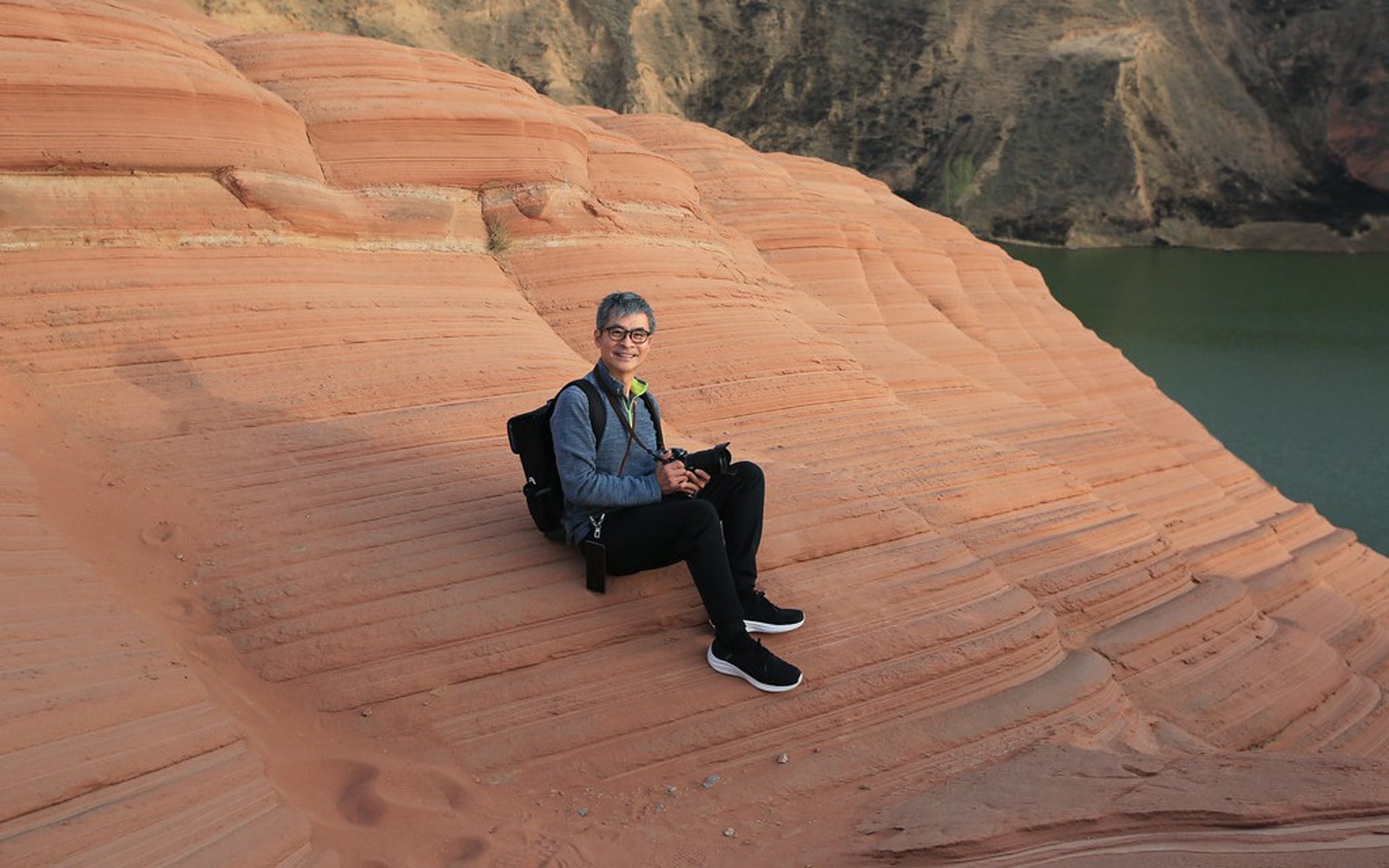
Jingbian (Wave Valley)
A Photographer's Dream: Capturing the Timeless Beauty of Shaanxi's Landscapes
jingbian (wave valley) at a Glance
Everything you need to know before you go.
Embark on a 6-day journey through Northwest China's most breathtaking landscapes, from the ancient city of Xi'an to the dramatic red and yellow sandstones of Jingbian Wave Valley. This itinerary is perfect for photographers seeking to capture the interplay of light and shadow in some of China's most stunning natural formations. Experience the vibrant culture of Yan'an and the raw power of Hukou Waterfall before returning to the historic charm of Xi'an.
Where to Stay
Choose the neighborhood that fits your style.
Jingbian Wave Valley
Stay near the Wave Valley to maximize your time capturing the stunning sandstone formations at both sunrise and sunset. The area offers a serene environment with minimal light pollution, ideal for night photography enthusiasts.
Best for photography and nature loversYan'an
Choose accommodation in Yan'an to explore the rich history and revolutionary sites. The city's unique blend of cultural heritage and dramatic landscapes provides excellent opportunities for documentary-style photography.
Best for history and cultural photographyjingbian (wave valley) Highlights
The city's essential experiences, grouped by what you love most.
Capture the swirling red and yellow sandstone formations at sunrise for a breathtaking display of colors and patterns. A wide-angle lens is recommended.
Explore the narrow, colorful passages of Flame Valley, perfect for abstract photography and capturing the interplay of light and shadow.
Hike through this unique area to photograph the intricate textures and patterns formed by the sandstone, especially beautiful in the soft afternoon light.
Plan your shoots during sunrise and sunset for the best lighting conditions. The soft, golden light enhances the natural beauty of the sandstone formations.
Use a tripod for stability, especially during low-light conditions at sunrise and sunset, to ensure sharp images.
A wide-angle lens is ideal for capturing the vastness and intricate details of the swirling sandstone patterns.
Travel from Xi'an to Yan'an by high-speed train or private car, taking approximately 2.5 to 3 hours. This journey offers a glimpse of the changing landscapes of Northwest China.
Drive from Yan'an to Jingbian Wave Valley, passing through the scenic Loess Plateau. The drive takes about 3 hours, allowing you to soak in the natural beauty of the region.
After your photographic journey, return to Xi'an to explore the historic city wall and vibrant Muslim Quarter, offering a rich cultural contrast to the natural wonders you've captured.
Best Time to Visit
Each season offers a different side of the city.
Spring · Mar–May
Mild weather and blooming landscapes — comfortable for exploring.
Summer · Jun–Aug
Warm days; highland areas stay cool while lowland cities get hot and humid.
Autumn · Sep–Nov
The best season in most of China — crisp air, clear skies, and golden light.
Winter · Dec–Feb
Cold in the north, mild in the south. Fewer crowds and lower prices outside holidays.
Suggested Itineraries
Three carefully-paced plans for your trip.
1-Day Express
Embark on a whirlwind tour of the mesmerizing Jingbian Wave Valley, starting with a sunrise shoot at the Main Wave area. Capture the stunning interplay of light and shadow on the swirling red and yellow sandstones using a wide-angle lens and tripod. After a brief rest, explore the vibrant and narrow passages of Flame Valley and Water-Spraying Valley, perfect for abstract photography. Conclude with a sunset session at a new vantage point, soaking in the soft golden hues that bathe the landscape.
2-Day Classic
Day 1: Arrive at Jingbian Wave Valley in the late afternoon, allowing ample time to set up for a sunset shoot. Capture the glowing sandstones and their intricate patterns as the sun dips below the horizon. Overnight stay in a nearby accommodation. Day 2: Rise early for a sunrise shoot at the Main Wave area, where the first light reveals the full beauty of the landscape. After breakfast, hike through Flame Valley and Water-Spraying Valley, taking time to appreciate and photograph the colorful, narrow passages. Enjoy a leisurely lunch and siesta during the midday heat, then revisit your favorite spots in the afternoon to capture different light and textures. End the day with a final sunset shoot, choosing a new location for a fresh perspective.
Local Tips
Insider knowledge for a smoother trip.
The red and yellow sandstones of Wave Valley glow most intensely at sunrise and sunset. Plan your key shoots around these times—the itinerary dedicates separate sunrise and sunset sessions, each at a different vantage point, to make the most of the changing light.
Midday sun flattens the sandstone colors and textures. Follow the local rhythm: take a lunch break and siesta during the harsh midday hours, then return in the afternoon to re-shoot your favorite spots, focusing on details and textures.
A wide-angle lens is essential for capturing the swirling sandstone patterns, and a tripod is a must for the low-light sunrise session at the Main Wave area. The narrow passages of Flame Valley also reward close-up, abstract compositions.
Don't stop at the main viewpoint. Hike through Flame Valley and Water-Spraying Valley, where colorful narrow passages create abstract patterns—allow around 3 hours to explore and photograph these areas properly.
The recommended seasons for this region are April to June and July to August, when conditions suit landscape photography across Shaanxi's Loess Plateau scenery.
FAQs About jingbian (wave valley)
Quick answers to common questions.
Ready to Explore jingbian (wave valley)?
Let MagicTrip build the perfect jingbian (wave valley) itinerary — tailored to your interests, pace, and budget.