Jingbian
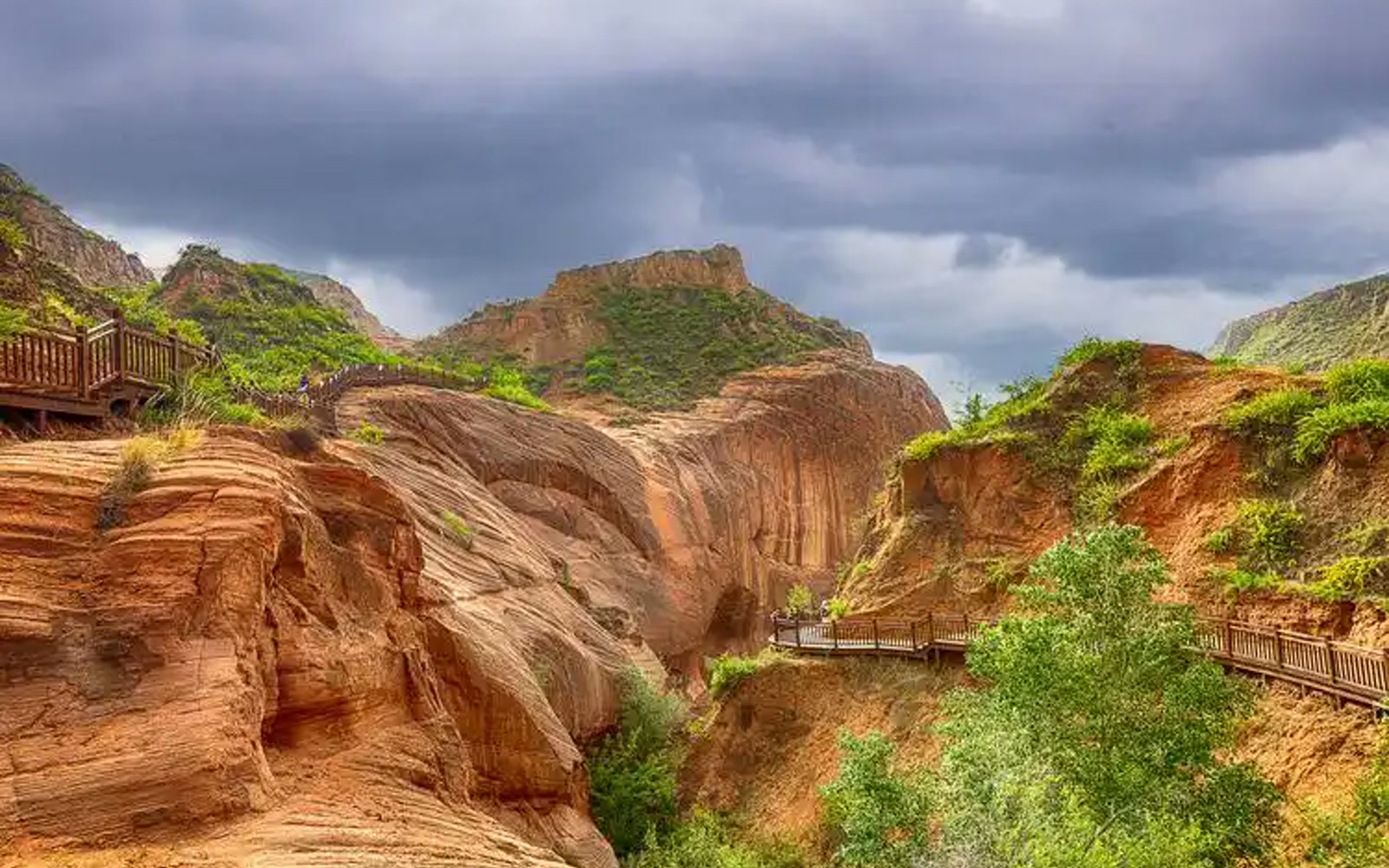
Capture swirling red and yellow sandstones at sunrise and sunset in Shaanxi's most photogenic valley.
Jingbian at a Glance
Everything you need to know before you go.
Jingbian Wave Valley is a striking sandstone landscape in northern Shaanxi, known for its swirling red and yellow rock formations. Photographers flock here for first light at the Main Wave area and golden hour vantage points. Explore Flame Valley and Water-Spraying Valley for abstract patterns and narrow passages, all set against the dramatic Loess Plateau backdrop.
Where to Stay
Choose the neighborhood that fits your style.
Near Wave Valley Scenic Area
Stay within walking distance of the main shooting spots to make sunrise and sunset sessions easy. Simple guesthouses and farm stays cater to photographers.
Best for photographers who want immediate access to golden hour lightJingbian County Town
A more comfortable base with hotels and local restaurants, a short drive from the valley. Ideal for resting during harsh midday light.
Best for travelers who prefer amenities after long days of hiking and shootingJingbian Highlights
The city's essential experiences, grouped by what you love most.
Swirling red and yellow sandstones, best captured at sunrise and sunset.
Colorful narrow passages with abstract patterns for photography.
Hike through dramatic colorful narrow passages and capture textures.
Iconic viewpoint for first light; tripod essential.
Head to the Main Wave area for first light; tripod essential.
Capture glowing sandstones; use a wide-angle lens for swirling patterns.
Re-shoot with different light, focusing on details and textures.
Best Time to Visit
Each season offers a different side of the city.
Spring · Mar–May
Mild weather and blooming landscapes — comfortable for exploring.
Summer · Jun–Aug
Warm days; highland areas stay cool while lowland cities get hot and humid.
Autumn · Sep–Nov
The best season in most of China — crisp air, clear skies, and golden light.
Winter · Dec–Feb
Cold in the north, mild in the south. Fewer crowds and lower prices outside holidays.
Suggested Itineraries
Three carefully-paced plans for your trip.
1-Day Express
Start before dawn at the Main Wave area of Jingbian Wave Valley for a sunrise shoot, using a tripod to capture the glowing red and yellow sandstones. After sunrise, hike through the colorful narrow passages of Flame Valley and Water-Spraying Valley, focusing on abstract patterns. Rest during the harsh midday light, then revisit the best spots in the afternoon to photograph details and textures. End the day with a sunset shoot from a new vantage point to capture the soft golden hour.
2-Day Classic
Day 1: Drive from Yan'an to Jingbian Wave Valley, passing through Loess Plateau scenery, and arrive around 17:00 for a sunset photography session capturing the glowing sandstones with a wide-angle lens. Day 2: Head to the Main Wave area for sunrise (tripod essential), then explore Flame Valley and Water-Spraying Valley, hiking through colorful narrow passages and capturing abstract patterns. Rest during midday, revisit the best spots in the afternoon for details and textures, and finish with a second sunset shoot from a different vantage point.
Local Tips
Insider knowledge for a smoother trip.
The red and yellow sandstones glow best during the golden hours. Arrive early for the Main Wave area at sunrise and pick a new vantage point for sunset. A tripod is essential for low-light shots.
Capture the swirling sandstone patterns with a wide-angle lens. In the Flame Valley and Water-Spraying Valley, hike through narrow passages and look for abstract patterns.
The harsh midday light is not ideal for photography. Have lunch and rest during this time, then revisit the best spots in the afternoon to shoot details and textures.
Drive from Yan'an to Jingbian Wave Valley takes about 3 hours through Loess Plateau scenery. Arriving around 17:00 lets you start with a sunset shoot.
FAQs About Jingbian
Quick answers to common questions.
Ready to Explore Jingbian?
Let MagicTrip build the perfect Jingbian itinerary — tailored to your interests, pace, and budget.