Jibei Island
Discover the Untouched Beauty of Ji-bei Island
Jibei Island at a Glance
Everything you need to know before you go.
Ji-bei Island, located off the coast of Kinmen, is a hidden gem in the Taiwan Strait. Known for its pristine beaches and crystal-clear waters, the island offers a serene escape from the hustle and bustle of city life. Visitors can enjoy a variety of outdoor activities, including snorkeling, diving, and hiking, all while soaking in breathtaking views of the surrounding ocean. The island's rich cultural heritage and friendly locals make it an ideal destination for those seeking both relaxation and adventure.
Where to Stay
Choose the neighborhood that fits your style.
Beachfront Resorts
For those looking to wake up to the sound of waves and the sight of the ocean, Ji-bei Island's beachfront resorts offer the perfect retreat. These accommodations provide easy access to the island's beautiful beaches, allowing guests to indulge in activities like swimming, sunbathing, and beachcombing. Many resorts also offer amenities such as beachside bars and restaurants, ensuring a comfortable and enjoyable stay.
Best for beach lovers and relaxation seekersEco-friendly Lodges
Ji-bei Island is committed to preserving its natural beauty, and eco-friendly lodges are a great choice for environmentally conscious travelers. These accommodations are designed to minimize environmental impact while providing a comfortable and authentic experience. Guests can enjoy guided eco-tours, learn about local wildlife, and participate in conservation efforts during their stay.
Best for eco-tourists and nature enthusiastsCultural Homestays
Immerse yourself in the local culture by staying at one of Ji-bei Island's cultural homestays. These accommodations offer a unique opportunity to experience the island's traditional way of life, with hosts often providing homemade meals and stories about the island's history. Visitors can participate in cultural activities such as pottery making and traditional music, gaining a deeper understanding of the island's heritage.
Best for cultural explorers and those seeking authentic experiencesJibei Island Highlights
The city's essential experiences, grouped by what you love most.
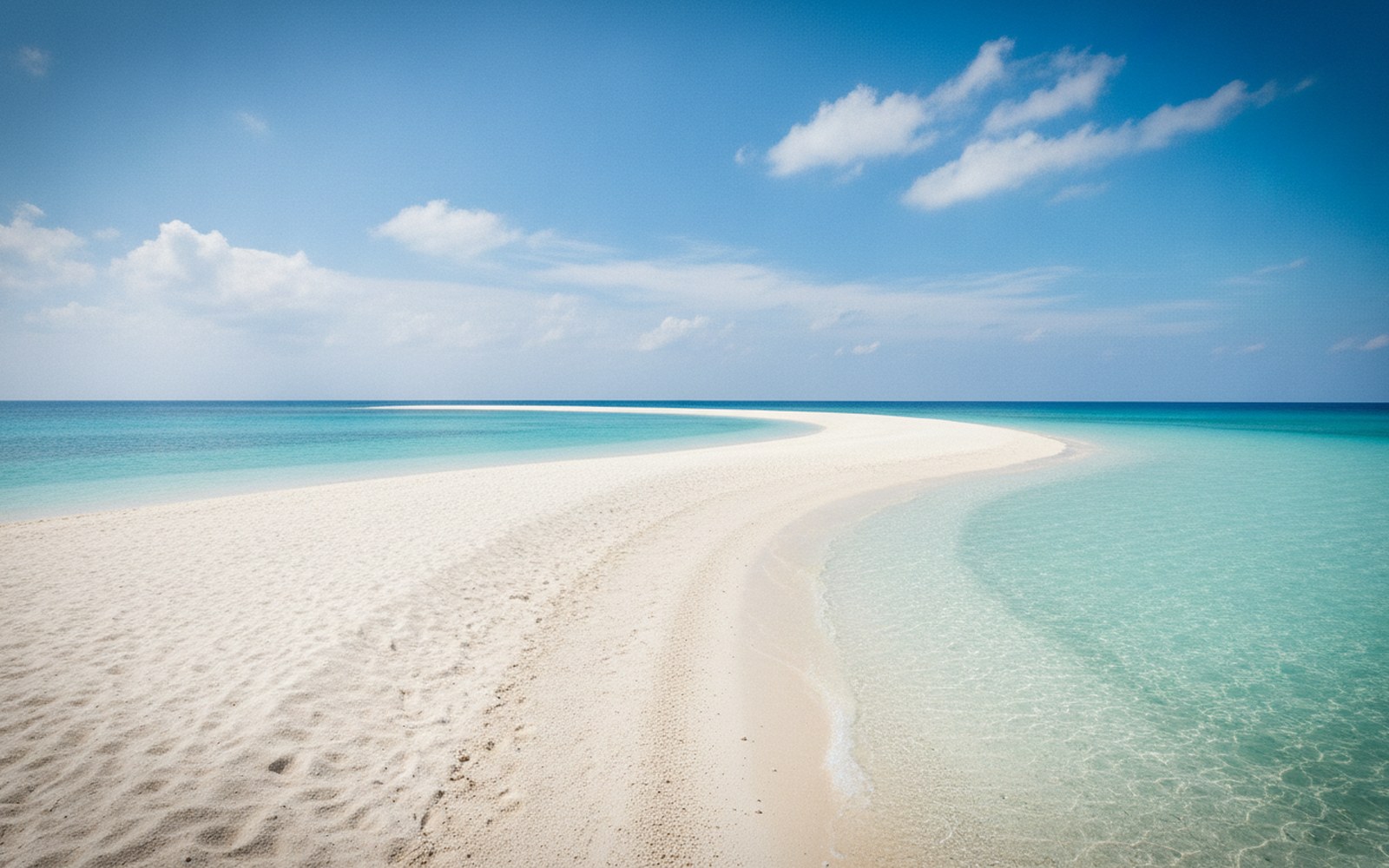
The island's signature sight: a long, curving white-sand spit that stretches into turquoise water off the southern shore. The sand is made of fine coral and shell fragments, soft underfoot, and the shallow gradient makes it ideal for wading and swimming. Visit around low tide when the sandbar is widest, and stay for golden hour when the spit glows against the sea — it's the most photographed spot on the island.
Jibei is one of the Penghu archipelago's main hubs for marine recreation. In the summer season (roughly May to September), operators along the main beach offer banana boat rides, jet skiing, parasailing, and donut tubing. Day-trip packages that bundle several rides with round-trip boat transfers are widely available and usually better value than paying per activity; book through your guesthouse or at the pier counters.
The waters around Jibei are known for good visibility and healthy nearshore coral, with schools of tropical fish easy to spot even in shallow areas. Guided snorkeling sessions with instructors and provided gear are the norm, making it suitable for beginners and children. Mornings tend to be calmest; avoid going out when northeast winds pick up outside the summer season.
Thanks to its low, flat profile and open western horizon, Jibei offers unobstructed sunset views. The classic vantage is from the Sand Tail itself or the low rise behind the harbor, watching the sun drop toward the outlying islets. Overnight guests get the best experience, as most day-trippers leave by late afternoon.
A compact village clusters around the island's harbor, where daily life still revolves around the sea. Wander the narrow lanes to see traditional houses built with coral-limestone (coral ragstone) walls, small neighborhood temples, and fishing gear drying by the docks. The whole village is walkable in under an hour and gives a genuine feel for outlying-island life in the Penghu archipelago.
The curved stone fish traps visible in the shallows around Penghu's northern islands are a centuries-old fishing technique: walls of stacked basalt and coral stone that trap fish as the tide recedes. Around Jibei you can spot weirs at low tide from the shore or on boat trips, and local guides explain how village cooperatives once built and maintained them together. It's a living piece of maritime heritage unique to this archipelago.
Eating on Jibei means whatever the boats brought in: squid, grouper, small abalone, and local seaweed, often served as simple set meals at guesthouses or small eateries near the pier. Staying overnight in a family-run minsu (B&B) is the best way to experience the island — hosts typically arrange meals, water activities, and boat transfers as a package, and the island turns wonderfully quiet after the last day-trip boat leaves.
Jibei's beaches and village lanes served as a filming location for the 2015 romantic comedy 'All You Need Is Love' (Luopao ba Aiqing), shot in the Penghu islands, which boosted the island's profile as a getaway. Fans still come to see the shoreline and harbor scenes in person; even without the film connection, the unspoiled backdrop explains why location scouts chose it.
Jibei sits off the northern coast of Baisha Island in the Penghu archipelago and is reached by boat from Chikan Pier (Chikan Matou), the gateway to the 'North Sea' islands. The crossing takes roughly 15–25 minutes depending on the vessel. Boats run more frequently in the summer high season; in shoulder months, schedules shrink, so confirm return times in advance, especially if not staying overnight.
A short boat ride from Jibei lies Mudou Islet, home to a striking black-and-white banded cast-iron lighthouse dating to 1902, among the oldest in the Penghu islands. North Sea island-hopping itineraries commonly combine Jibei with a stop or circle around Mudouyu, and the contrast of the striped tower against dark basalt rock and open sea is a favorite with photographers.
At low tide, Jibei's rocky shelves and tide pools reveal hermit crabs, small reef fish, sea cucumbers, and urchins — a natural aquarium especially enjoyable for families. Wear reef shoes, check local tide tables before heading out, and follow the look-don't-take rule: collecting marine life and coral is discouraged to protect the ecosystem.
With no urban glow and a tiny resident population, Jibei offers impressively dark night skies. On clear summer nights the Milky Way is visible to the naked eye from the beach or the harbor breakwater. Overnight visitors should bring a light jacket for the sea breeze and step out after the village lights dim for the best views.
Best Time to Visit
Each season offers a different side of the city.
Spring · Mar–May
Mild weather and blooming landscapes — comfortable for exploring.
Summer · Jun–Aug
Warm days; highland areas stay cool while lowland cities get hot and humid.
Autumn · Sep–Nov
The best season in most of China — crisp air, clear skies, and golden light.
Winter · Dec–Feb
Cold in the north, mild in the south. Fewer crowds and lower prices outside holidays.
Suggested Itineraries
Three carefully-paced plans for your trip.
1-Day Express
No itinerary data, knowledge-base POIs, or seed POIs were provided for Jibei Island in the source materials. As content must be based solely on the supplied data and fabrication is not permitted, a detailed 1-day route cannot be compiled at this time. This entry serves as a placeholder until verified attraction, transport, and schedule information for Jibei Island is provided.
2-Day Classic
No itinerary data, knowledge-base POIs, or seed POIs were provided for Jibei Island in the source materials. As content must be based solely on the supplied data and fabrication is not permitted, a detailed 2-day route cannot be compiled at this time. This entry serves as a placeholder until verified attraction, transport, and schedule information for Jibei Island is provided.
Local Tips
Insider knowledge for a smoother trip.
Jibei Island is a small offshore island of Baisha Township in Penghu and can only be reached by boat, most commonly from Chikan Pier on Baisha Island. Sailings are frequent in the summer season but may be reduced or suspended in strong winds and rough seas, so confirm departure times locally and keep your schedule flexible.
The island's signature sight is its long golden sand spit, often called the Jibei Sand Tail, which stretches far into the clear shallow sea. Visit around low tide for the widest beach and the best photos, and walk the soft sand along the calm shoreline.
There is very little shade on the beaches, so bring high-SPF sunscreen, a wide-brimmed hat, and sunglasses, and reapply sunscreen after swimming. A light long-sleeve layer or windbreaker is useful because the sea breeze can feel surprisingly cool even on hot days.
Jibei is a small fishing island with limited facilities, and ATMs are scarce or unavailable. Food stalls, souvenir vendors, and water-sport operators generally accept cash only, so withdraw enough money in Magong or on Baisha before you board the boat.
The calm, shallow waters around the island are popular for swimming, snorkeling, banana boats, and jet skis. Stay within designated swimming areas, follow the instructions of lifeguards and activity operators, and avoid entering the water when strong-wind or typhoon warnings are in effect.
FAQs About Jibei Island
Quick answers to common questions.
Ready to Explore Jibei Island?
Let MagicTrip build the perfect Jibei Island itinerary — tailored to your interests, pace, and budget.