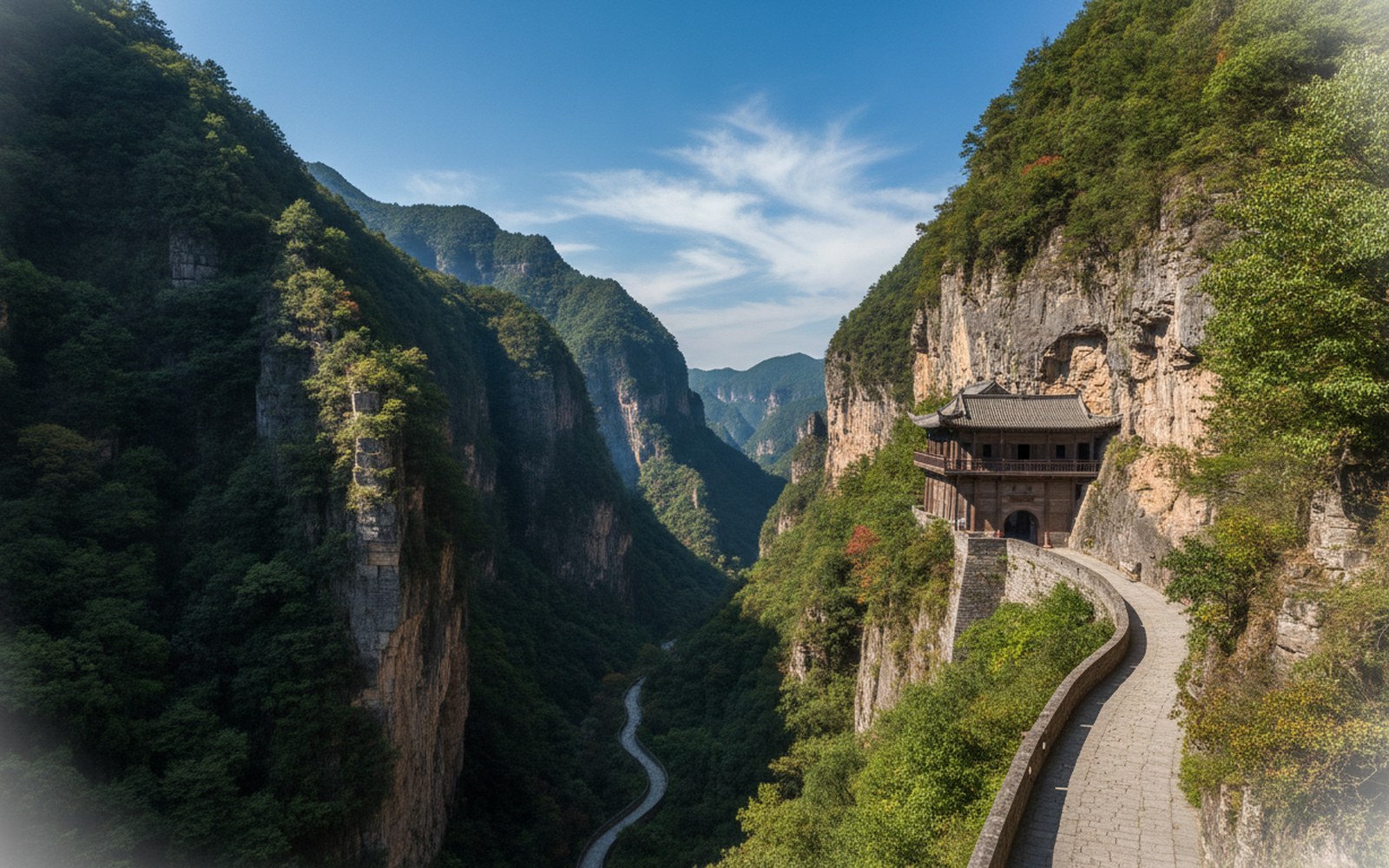
Jiange
The gateway to the ancient Shu Road, home to the majestic Jianguan Pass and Cypress-Lined Cuiyunlang Trail.
jiange at a Glance
Everything you need to know before you go.
Where to Stay
Choose the neighborhood that fits your style.
Jianguan Pass & Cuiyunlang Area
Stay near the historic Jianguan Pass for direct access to the ancient Shu Road and the scenic Cuiyunlang cypress corridor. This area offers a peaceful, nature-focused retreat with easy hiking routes and cultural landmarks. Ideal for history buffs and outdoor enthusiasts seeking a quiet base.
Historic & scenicJiange County Town
Choose Jiange County Town for convenient access to local restaurants, shops, and transport links. This bustling hub provides budget-friendly accommodations and a taste of everyday life in Jiange. Perfect for travelers who prefer urban amenities and easy connections to nearby attractions.
Convenient & budget-friendlyjiange Highlights
The city's essential experiences.
A strategic mountain pass on the ancient Shu Road, known as 'One man guards the pass, ten thousand cannot open.' Climb the towers for panoramic views of the surrounding peaks and imagine the historical battles.
A scenic stretch of the ancient plank road shaded by towering cypress trees, some over a thousand years old. Walk or bike along this cool, green corridor and feel the history beneath your feet.
A well-preserved ancient town with traditional Sichuan architecture, cobblestone streets, and historic temples. Stroll through its alleys to experience the charm of old China and sample local snacks.
A hidden gem with ancient bridges, ancestral halls, and a peaceful atmosphere. Less commercialized than other towns, it offers a glimpse into authentic local life and Ming-Qing era buildings.
A pristine wilderness home to giant pandas, golden monkeys, and diverse birdlife. Explore its lush forests and clear streams on guided hikes, and keep your camera ready for rare wildlife sightings.
An exhilarating rafting experience down the clear waters of the Tangjiahe River. Navigate gentle rapids surrounded by stunning canyon scenery, perfect for adventure seekers and nature lovers.
A memorial park preserving the dramatic landscape changes caused by the 2008 earthquake. Learn about the geological forces and the resilience of local communities through exhibits and viewpoints.
Stay in a traditional courtyard inn within the ancient town for an authentic experience. Enjoy quiet nights and wake up to the sounds of the town, with easy access to local teahouses and eateries.
Best Time to Visit
Each season offers something different.
Spring
Mild and pleasant, with blooming flowers. Ideal for hiking and sightseeing.
Summer
Warm and humid, with occasional rain. Pack an umbrella and enjoy lush greenery.
Autumn
Cool and crisp, with clear skies. Perfect for outdoor activities and photography.
Winter
Cold and dry, with occasional snow at higher elevations. Dress warmly and enjoy fewer crowds.
Suggested Itineraries
Plans for every schedule.
Classic 2-Day
Day 1: Jianguan Pass, Cuiyunlang Cypress-lined Trail. Day 2: Zhaohua Ancient Town, Qingxi Ancient Town.
Nature & Adventure 3-Day
Day 1: Tangjiahe Nature Reserve. Day 2: Tangjiahe River Drifting. Day 3: Donghekou Earthquake Site Park.
Cultural Immersion 4-Day
Day 1: Jianguan Pass, Cuiyunlang Cypress-lined Trail. Day 2: Zhaohua Ancient Town. Day 3: Qingxi Ancient Town, stay at Qingxi Ancient Town Inn. Day 4: Donghekou Earthquake Site Park.
Local Tips
Insider knowledge for a smoother trip.
The terrain is mountainous, so sturdy footwear is essential for exploring.
Sample Jianmen tofu, a regional specialty, at local restaurants.
Arrive at major attractions early to avoid crowds and heat.
Follow rules at historical sites and do not touch artifacts.
Carry water, especially during summer hikes.
Weather can change quickly; check forecasts before heading out.
FAQs About jiange
Quick answers to common questions.
Ready to Explore jiange?
Let MagicTrip build the perfect jiange itinerary — tailored to your interests, pace, and budget.