Honghe
Serene beauty of Honghe's rice terraces, a hidden gem compared to crowded Yuanyang.
honghe at a Glance
Everything you need to know before you go.
Where to Stay
Choose the neighborhood that fits your style.
Yisa Ancient Town (Honghe County)
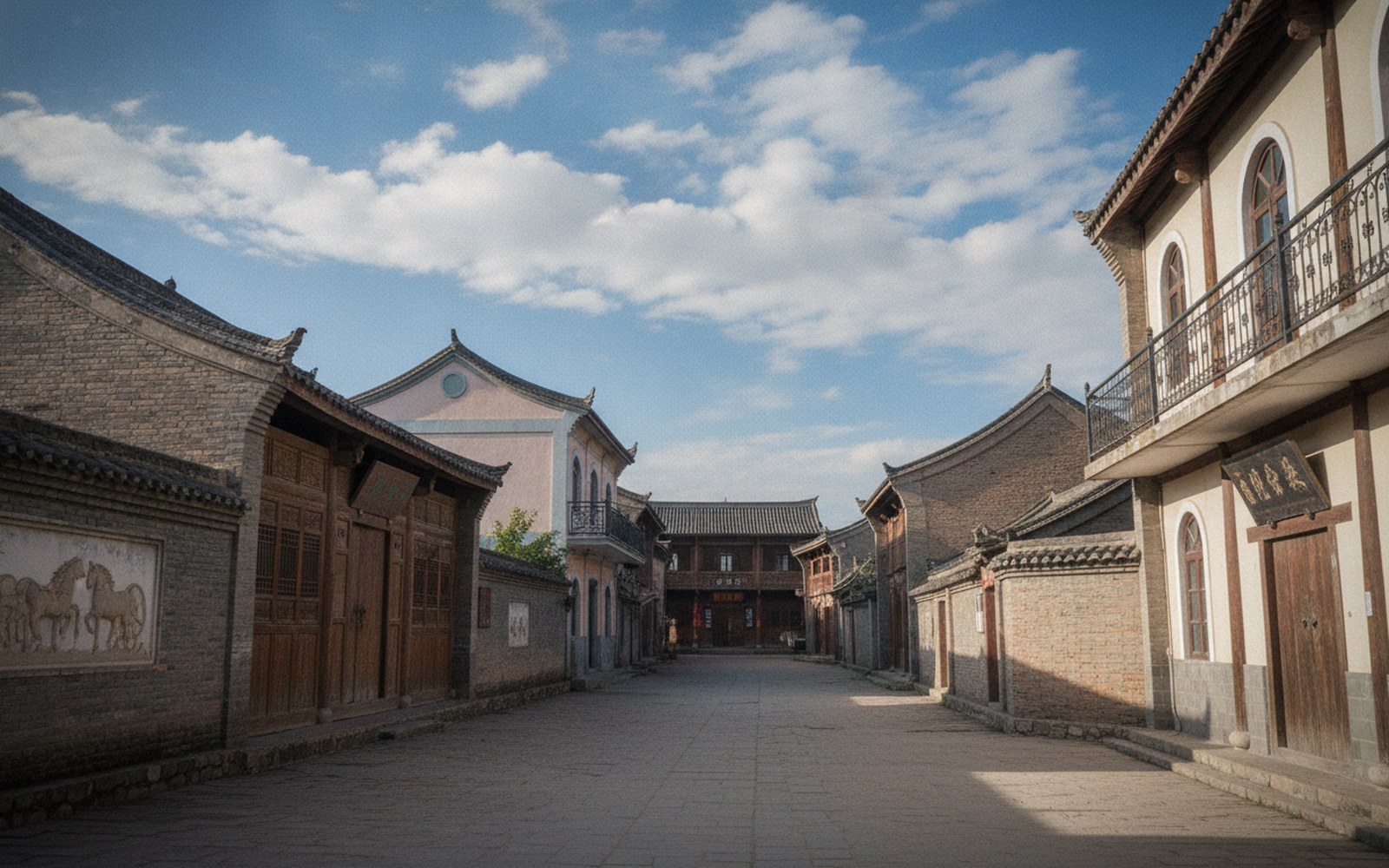
Yisa Ancient Town sits in Honghe County, offering a glimpse into traditional Yi culture with its well-preserved architecture and local crafts. Stay here for an authentic cultural experience, with small eateries serving regional dishes and easy access to nearby terraced fields. Ideal for history buffs and photographers seeking a quiet, immersive stay.
Cultural immersionJiayin (Honghe countryside)
Jiayin, nestled in the Honghe countryside, provides a peaceful retreat surrounded by lush farmland and rolling hills. This area is perfect for travelers wanting to escape city life, with opportunities for rural walks and homestay experiences. Local farmhouses offer simple, hearty meals, and the scenic landscapes are a highlight for nature lovers.
Rural escapeHonghe County Town
Honghe County Town serves as the administrative and transport hub of the region, with bus connections to surrounding areas. Stay here for convenience, with a range of budget hotels, local markets, and simple restaurants serving Yunnan specialties. It's a practical base for exploring the county's attractions, though less atmospheric than the ancient town.
Convenient baseHonghe Rice Terraces Area
The Honghe Rice Terraces area is renowned for its stunning, layered landscapes, especially at sunrise and sunset. Accommodations are limited but include basic guesthouses and farmstays, offering direct access to hiking trails and panoramic viewpoints. This area suits adventurous travelers and photographers willing to trade comfort for breathtaking scenery.
Scenic viewshonghe Highlights
The city's essential experiences.
A UNESCO World Heritage site carved by the Hani people over 1,300 years, with up to 3,000 tiers. Best visited from November to April when the terraces are flooded, creating mirror-like reflections. A 3-day ticket costs 100 yuan.
At 1,900 meters, these terraces are a top spot for sunrise and sea of clouds views. With 6000 mu of terraces and 200 days of clouds, it's a photographer's paradise. Arrive early for the best angles.
The most dramatic terraces in Yuanyang, dropping from 800m to 2000m with 3,700 tiers. Famous for sunset views and blue terraces in the water season. Open until sunset; a 3-hour hike from Quanfuzhuang to Shengcun is recommended.
A core area of the Hani terraces at 1,400m, featuring traditional mushroom houses and ancient water distribution systems. Best visited from November to April for reflections, or September-October for golden rice. Part of the 100-yuan pass.
A Ming-dynasty town with over 50 ancient buildings, including the Chaoyang Tower and the Confucian Temple. Known as the 'Land of Literature', it produced half of Yunnan's imperial exam passers in the Qing dynasty.
A 200-household village with well-preserved Qing-dynasty gates, ancestral halls, and residences. Highlights include the Huang'en Mansion and Zhang's Garden, offering a glimpse into traditional Yunnan life. Stay overnight for a rustic experience.
Built in 1923, this 21-meter tower in Shiping County is a blend of Chinese and Western architectural styles. It was erected to honor educator Chen Heting. Free to visit, open 7:00-19:00.
A Qing-dynasty examination hall in Jianshui, covering 6,000 sqm with a strict symmetrical layout. It hosted provincial-level exams for four regions. Tickets cost 30 yuan, including access to nearby temples.
A 148-meter, 17-arch bridge in Jianshui, praised by bridge expert Mao Yisheng as one of China's top ten ancient bridges. Its three Qing-dynasty pavilions and elephant sculptures are iconic. Taxi from town costs about 10 yuan.
A well-preserved Tusi office from the Republican era, with three courtyards and ornate brick, stone, and wood construction. Located in Panzhihua Township, it's a 7-km walk from Laohuzui. Open 8:00-18:00, admission 60 yuan.
Over 100 ancient wells in Jianshui, dating back to the Yuan dynasty, with diverse shapes like single, double, and twelve-eye wells. The water is sweet and essential for making the famous Jianshui tofu. Explore the six famous wells.
A 76-meter bridge across the Nanxi River in Hekou, marking the border between China and Vietnam. The narrow-gauge railway is a unique sight, and a flag-raising ceremony is held daily. Free to view, but not allowed on the bridge.
A winery in Mile County with 20,000 mu of vineyards and international-standard facilities. Enjoy the 'Four Sceneries' and 'Four Experiences' themed around wine culture, including tastings and vineyard walks.
Yuanyang's terraces are a photographer's dream, with 170,000 mu of terraces and famous spots like Xinjie, Bada, Laohuzui, and Duoyishu. The BBC documentary 'Wild China' featured these landscapes. Best during the water season (Nov-Apr).
Best Time to Visit
Each season offers something different.
Spring
Mild and dry, with blooming flowers. Ideal for visiting terraces as they are filled with water. Pack light layers and rain gear.
Summer
Warm and rainy, with lush green terraces. Expect afternoon showers. Bring waterproof clothing and be cautious of slippery paths.
Autumn
Cool and clear, with golden rice terraces. Perfect for photography. Mornings and evenings can be chilly, so bring a jacket.
Winter
Cool and dry, with occasional fog. Terraces reflect the sky beautifully. Dress warmly and check visibility before heading out.
Suggested Itineraries
Plans for every schedule.
Classic 2-Day
Day 1: Yisa Ancient Town, Samaba Rice Terraces Sunrise. Day 2: Guidong Rice Terraces, Gata Village & Willow Terraces.
Culture & Terraces 3-Day
Day 1: Yisa Ancient Town, Samaba Rice Terraces Sunrise. Day 2: Guidong Rice Terraces, Gata Village & Willow Terraces. Day 3: Zuofu Village: Tasa Terraces & Twelve Dragon Springs, Lvshuge Blue Terraces.
Full Exploration 4-Day
Day 1: Yisa Ancient Town, Samaba Rice Terraces Sunrise. Day 2: Guidong Rice Terraces, Gata Village & Willow Terraces. Day 3: Zuofu Village: Tasa Terraces & Twelve Dragon Springs, Lvshuge Blue Terraces. Day 4: Return to Yisa Ancient Town for leisure and local culture.
Local Tips
Insider knowledge for a smoother trip.
The terrace area averages 1900m, with rapid weather shifts. Always carry a raincoat or umbrella.
Ticket checkpoints verify IDs. Avoid scalpers and buy from official booths to ensure valid entry.
Stay on designated paths to protect the fragile wetland ecosystem and avoid damaging local crops.
ATMs are common in cities, but rural areas rely on postal and rural banks. Withdraw cash in Mengzi for complex needs.
In Hekou, you can get a Vietnam visa for about 450 yuan. Group discounts available; border open 8:00-23:00.
Never venture into undeveloped forests or canyons without a guide. Terrain is complex and wildlife may be present.
FAQs About honghe
Quick answers to common questions.
Ready to Explore honghe?
Let MagicTrip build the perfect honghe itinerary — tailored to your interests, pace, and budget.