Hezuo
Gannan's quiet capital — golden monasteries, alpine grasslands, and Tibetan culture at the gateway to the plateau.
Hezuo at a Glance
Everything you need to know before you go.
Where to Stay
Choose the neighborhood that fits your style.
City Center
The City Center is the bustling heart of Hezuo, offering easy access to local markets, restaurants, and the main bus station. It's ideal for travelers seeking convenience and a taste of urban Tibetan culture, with shops and eateries lining the streets.
Best accessGrassland Guesthouses
Grassland Guesthouses lie on the outskirts, providing a serene escape into the surrounding grasslands. These family-run stays offer authentic homestay experiences, with opportunities for horseback riding and witnessing traditional nomadic life. Perfect for nature lovers and those seeking tranquility.
Authentic experienceHezuo Highlights
The city's essential experiences.
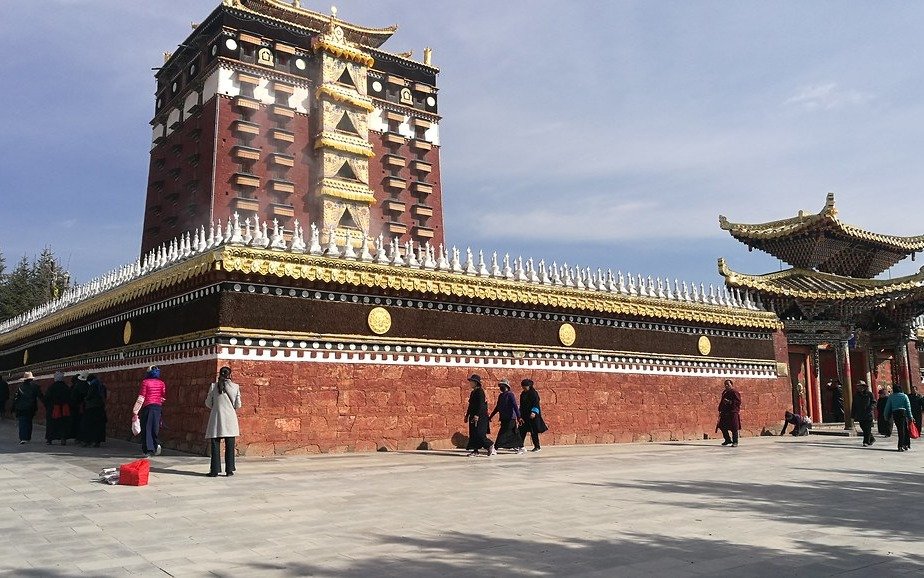
A nine-story pavilion dedicated to the revered Tibetan poet and saint Milarepa, featuring stunning murals and statues. Climb to the top for panoramic views of the surrounding valley.
A lush forest park with diverse flora and fauna, including rare species like the Sichuan takin and blue sheep. Hike the trails to discover waterfalls and pristine streams, and keep an eye out for wildlife.
A vast, rolling grassland that turns into a sea of flowers in summer. Experience nomadic culture, ride horses, and enjoy the serene beauty of the Tibetan plateau.
A historic Tibetan Buddhist monastery complex straddling the Gansu-Sichuan border. Explore its grand halls, prayer wheels, and the unique practice of sky burial on the nearby hill.
This iconic pavilion is a masterpiece of Tibetan architecture, housing a giant statue of Milarepa and intricate murals depicting his life. A must-visit for those interested in Tibetan Buddhism.
A pristine alpine lake and wetland, a haven for migratory birds like the black-necked crane. Walk the boardwalks to observe diverse birdlife and enjoy the tranquil scenery.
A city park with artificial landscapes and a deer park featuring endangered species like sika deer and serow. A pleasant spot for a morning stroll or picnic, just 2 km from the city center.
Best Time to Visit
Each season offers something different.
Spring
Cool and dry with occasional winds. Pack layers and prepare for temperature swings.
Summer
Mild and pleasant, ideal for exploring grasslands. Rain is possible, so bring a light jacket.
Autumn
Crisp air and golden grasslands. Perfect for photography, but evenings get chilly.
Winter
Cold and snowy, with temperatures well below freezing. Only visit if you enjoy winter landscapes.
Suggested Itineraries
Plans for every schedule.
Classic 2-Day
Day 1: Milarepa Buddha Pavilion, Langmusi Monastery. Day 2: Gahai Lake, Ganjia Grassland.
Nature & Culture 3-Day
Day 1: Milarepa Buddha Pavilion, Langmusi Monastery. Day 2: Gahai Lake, Ganjia Grassland. Day 3: Guanyegou National Forest Park.
Extended 4-Day
Day 1: Milarepa Buddha Pavilion, Langmusi Monastery. Day 2: Gahai Lake, Ganjia Grassland. Day 3: Guanyegou National Forest Park. Day 4: Leisure day to revisit favorite spots or explore local culture.
Local Tips
Insider knowledge for a smoother trip.
At ~2,900m, take it slow to avoid altitude sickness.
UV is strong; wear sunscreen and sunglasses even on cloudy days.
Taxis are cheap, but agree on fare before starting the trip.
Try Tibetan butter tea and yak meat at local eateries.
When visiting monasteries, dress modestly and avoid pointing at statues.
Many small shops don't accept cards, so carry enough cash.
FAQs About Hezuo
Quick answers to common questions.
Ready to Explore Hezuo?
Let MagicTrip build the perfect Hezuo itinerary — tailored to your interests, pace, and budget.