Gyantse
Discover the Spiritual and Natural Wonders of Gyantse
gyantse at a Glance
Everything you need to know before you go.
Where to Stay
Choose the neighborhood that fits your style.
Gyantse Town
The historic heart of Gyantse, centered around the famous Kumbum stupa and Pelkor Chode monastery. Stay here for easy access to these landmarks, plus local shops, restaurants, and the bustling market street. Ideal for first-time visitors and history buffs seeking immersion in Tibetan culture.
Historic coreNear Yamdrok Lake
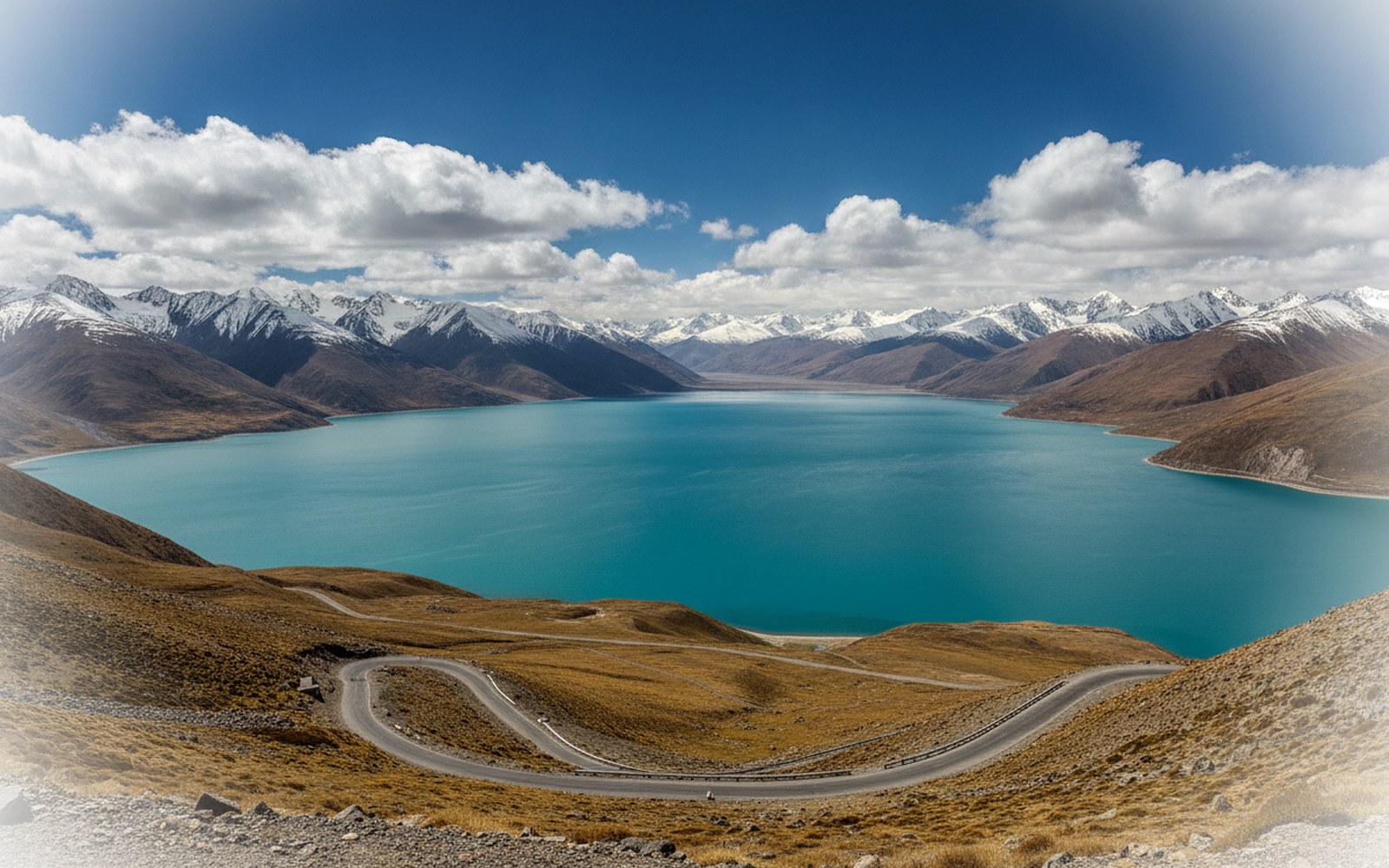
A scenic area surrounding the turquoise waters of Yamdrok Lake, about 100 km from Gyantse. Offers stunning mountain and lake views, with basic guesthouses and camping spots. Perfect for nature lovers and photographers wanting tranquility, though amenities are limited. Best accessed by private car or tour.
Scenic retreatGyantse Old Quarter
A maze of narrow alleys lined with traditional Tibetan houses, small family-run eateries, and craft workshops. Stay here for an authentic local experience, close to the town's main attractions but away from the main road noise. Suits budget travelers and those seeking cultural immersion.
Authentic vibeGyantse New Town
The modern extension of Gyantse, featuring newer hotels, restaurants, and shops along the main road. Offers more comfortable accommodations and easier access to bus services and the highway. Convenient for travelers passing through or those preferring contemporary amenities.
Modern conveniencegyantse Highlights
The city's essential experiences.
At 4,794 meters, Kambala Pass offers breathtaking panoramic views of the Himalayas. It's a perfect spot for photos, but remember to move slowly to avoid altitude sickness.
This viewpoint overlooks the turquoise waters of Yamdrok Lake, one of Tibet's three sacred lakes. The contrast with the surrounding mountains is stunning, and it's a great place for a short break.
Karola Glacier is a magnificent sight, with its ice tongue descending close to the road. It's one of the most accessible glaciers in Tibet, offering a unique opportunity to see glacial ice up close.
Gyantse Fortress, also known as Gyantse Dzong, is a historic fortress that played a key role in the resistance against British invasion. Explore its ramparts and enjoy panoramic views of the old town.
Gyantse Old Town is a historic city with many ancient monuments, including the remains of anti-British artillery platforms. Wander through its streets to experience a blend of Tibetan culture and history.
Take a leisurely evening stroll through Gyantse to soak in the local atmosphere. The town is quieter at dusk, offering a peaceful end to a day of sightseeing.
Stop for lunch in Nangartse, a small town near Yamdrok Lake. It's a convenient place to refuel with local Tibetan dishes before continuing your journey.
After a day of exploration, check into your hotel in Gyantse and rest. The town offers comfortable accommodations, ensuring you're refreshed for the next day's adventures.
Best Time to Visit
Each season offers something different.
Spring
Cool and dry, with occasional dust storms. Temperatures range from 0°C to 15°C. Pack warm layers and a dust mask.
Summer
Mild and wetter, with afternoon showers. Temperatures around 10-20°C. Ideal for sightseeing, but bring rain gear.
Autumn
Crisp and clear, with sunny days and cool nights. Temperatures from 5°C to 15°C. Perfect for photography and outdoor activities.
Winter
Cold and dry, with temperatures often below freezing. Snowfall is possible. Only visit if you're prepared for harsh conditions.
Suggested Itineraries
Plans for every schedule.
Classic 2-Day
Day 1: Kambala Pass, Yamdrok Lake Viewpoint, Karola Glacier, Lunch at Nangartse Town, Check-in and Rest in Gyantse. Day 2: Gyantse Fortress, Evening Walk in Gyantse.
Scenic 3-Day
Day 1: Kambala Pass, Yamdrok Lake Viewpoint, Karola Glacier, Lunch at Nangartse Town, Check-in and Rest in Gyantse. Day 2: Gyantse Fortress, Evening Walk in Gyantse. Day 3: Gyantse Fortress (optional revisit), Evening Walk in Gyantse.
Extended 4-Day
Day 1: Kambala Pass, Yamdrok Lake Viewpoint, Karola Glacier, Lunch at Nangartse Town, Check-in and Rest in Gyantse. Day 2: Gyantse Fortress, Evening Walk in Gyantse. Day 3: Gyantse Fortress, Evening Walk in Gyantse. Day 4: Gyantse Fortress, Evening Walk in Gyantse.
Local Tips
Insider knowledge for a smoother trip.
Gyantse is over 4,000m; spend a day in Lhasa first to adjust to the altitude.
Foreign travelers need a Tibet Travel Permit; arrange through a tour operator.
Even in summer, evenings are chilly; bring a down jacket and thermal layers.
High altitude causes dehydration; drink plenty of water and avoid alcohol.
When visiting monasteries, walk clockwise around stupas and ask before taking photos.
ATMs are scarce; carry enough cash for entrance fees and local purchases.
FAQs About gyantse
Quick answers to common questions.
Ready to Explore gyantse?
Let MagicTrip build the perfect gyantse itinerary — tailored to your interests, pace, and budget.