Gongshan
An epic 7-day journey through Yunnan's Nujiang Grand Canyon and remote ethnic villages
gongshan at a Glance
Everything you need to know before you go.
Where to Stay
Choose the neighborhood that fits your style.
Gongshan Town & Nujiang Grand Canyon
Gongshan Town serves as the gateway to the Nujiang Grand Canyon, offering basic amenities and easy access to canyon viewpoints. Stay here for convenient transport links and a range of simple guesthouses, ideal for starting your canyon exploration.
Gateway to canyonBingzhongluo, Taohua Island & Wuli Village
Bingzhongluo is a scenic town surrounded by terraced fields and the Nujiang River, with Taohua Island and Wuli Village nearby. This area offers cultural immersion, hiking trails, and stunning valley views, perfect for nature lovers and photographers.
Scenic & culturalDulongjiang Valley
The Dulongjiang Valley is a remote, lush region home to the Dulong people, accessible via a dramatic mountain road. Stay here for unique ethnic experiences, pristine forests, and a sense of adventure, though facilities are basic.
Remote adventureCikai Town
Cikai Town is the administrative center of Gongshan, with markets, local eateries, and bus connections. It's a practical base for arranging trips to surrounding villages, offering budget accommodation and a glimpse of daily life.
Practical basegongshan Highlights
The city's essential experiences.
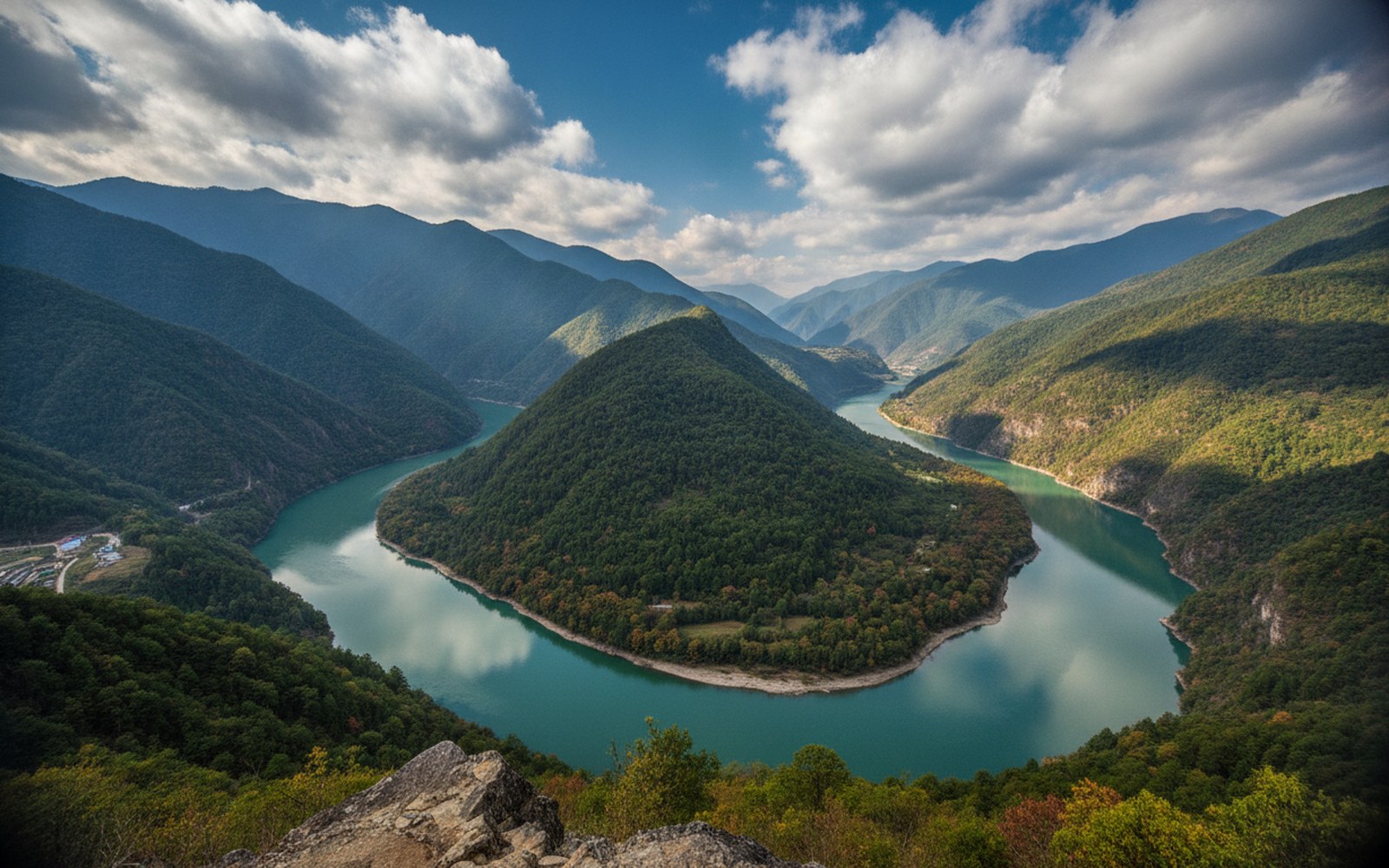
Witness the dramatic curve of the Nu River as it carves through the mountains. A must-stop for photographers, offering panoramic views of the valley and surrounding peaks.
This drive is a journey through breathtaking landscapes, with the Nu River on one side and steep cliffs on the other. Allow extra time for photo stops and to soak in the views.
A majestic mountain range in Tengchong, known for its rich biodiversity and stunning vistas. Ideal for nature lovers seeking a challenging hike or a peaceful retreat.
A serene island in the Nu River, named for its peach blossoms in spring. Explore the local village and enjoy the tranquil riverside atmosphere.
A traditional Nu ethnic village where you can experience authentic local life. Wander through the lanes and observe the unique architecture and customs.
Stroll through the streets of Gongshan, a town rich in culture and history. Discover local markets, traditional houses, and the daily life of the Nu people.
Savor a traditional dinner featuring Nu ethnic specialties. Enjoy dishes made with local ingredients, offering a taste of the region's unique culinary heritage.
Share a home-cooked meal with a Nu family in Wuli Village. This immersive experience offers insight into local customs and the warmth of Nu hospitality.
Best Time to Visit
Each season offers something different.
Spring
Mild and dry, with blooming rhododendrons. Good for trekking, but nights are cool.
Summer
Warm and rainy, with lush greenery. Expect landslides and road closures; carry rain gear.
Autumn
Clear skies and crisp air, ideal for photography. Temperatures are pleasant, but mornings are chilly.
Winter
Cold and dry, with occasional snow at high altitudes. Roads may be icy; pack warm layers.
Suggested Itineraries
Plans for every schedule.
Classic 2-Day
Day 1: Gongshan Town Walking Tour, Nu Ethnic Dinner. Day 2: Scenic Drive: Gongshan to Bingzhongluo, Nu River First Bend Viewpoint.
Cultural 3-Day
Day 1: Gongshan Town Walking Tour, Nu Ethnic Dinner. Day 2: Scenic Drive: Gongshan to Bingzhongluo, Nu River First Bend Viewpoint, Taohua Island. Day 3: Wuli Village, Lunch with a Nu Family in Wuli.
Immersive 4-Day
Day 1: Gongshan Town Walking Tour, Nu Ethnic Dinner. Day 2: Scenic Drive: Gongshan to Bingzhongluo, Nu River First Bend Viewpoint, Taohua Island. Day 3: Wuli Village, Lunch with a Nu Family in Wuli. Day 4: Return to Gongshan, leisure time in town.
Local Tips
Insider knowledge for a smoother trip.
Foreign travelers need a permit for the Dulong River area; arrange in advance.
Mountain roads are narrow and winding; hire a local driver for safety.
Some areas exceed 3,000m; acclimatize slowly to avoid altitude sickness.
Try the local buckwheat pancakes and yak butter tea for a taste of the region.
Limited luggage space on shared vans; pack only essentials.
Be mindful of local ethnic customs, especially in villages; ask before photographing.
FAQs About gongshan
Quick answers to common questions.
Ready to Explore gongshan?
Let MagicTrip build the perfect gongshan itinerary — tailored to your interests, pace, and budget.