Golmud
Gateway to the Kunlun Mountains and the wild Qaidam Basin
golmud at a Glance
Everything you need to know before you go.
Where to Stay
Choose the neighborhood that fits your style.
Golmud City Center
The heart of Golmud offers a range of hotels from budget guesthouses to mid-range chains like JI Hotel and Grand Rezen, all within 3 km of downtown. Enjoy easy access to local eateries, shopping at Shibang City Square, and the underground commercial street near Kunlun Park. Ideal for travelers seeking convenience and value.
Best accessGolmud Outskirts & National Highway 109
Along the 109 National Highway, hotels like Starway and Kunlun Secret Realm Lakeside Resort provide convenient bases for exploring the road to Lhasa. These areas offer a mix of standard and unique lakeside stays, with easy access to the highway for onward journeys. Perfect for road-trippers and those heading to Tibet.
Road trip baseQarhan Salt Lake & Surroundings
While not directly on the lake, Golmud serves as the gateway to Qarhan Salt Lake, the world's largest salt lake. Stay in the city and take day trips to the lake's stunning crystalline landscapes. Budget-friendly hotels and guesthouses are plentiful, making it a practical base for exploring this natural wonder.
Budget-friendlyKunlun Mountains & Hoh Xil Frontier
For adventurers heading into the wild, remote luxury camps like Lonely Space and Xingjian Yadan offer glamping experiences near the Gobi and Yadan landforms, about 167 km from the city. These provide unique stays with family facilities and breakfast, ideal for those exploring the Kunlun Mountains or Hoh Xil, though they require self-drive or tour arrangements.
Unique staysgolmud Highlights
The city's essential experiences.
Known as the 'ancestor of all mountains,' the Kunlun range stretches across southern Golmud. The Kunlun Pass at 4,767 meters offers views of snow peaks and glaciers. Visit between May and October, and bring oxygen for the high altitude.
The Kunlun Pass is a key gateway on the Qinghai-Tibet Highway, surrounded by majestic peaks and vast wilderness. It's a great spot for photos, but be prepared for thin air and cold winds. Best visited from May to October.
Located 289 km from Golmud at 4,415 meters, Wudaoliang is known for its harsh conditions, with locals saying it can make you cry for your parents. It's a challenging but rewarding stop on the way to Tibet.
The Tanggula Mountain Viewpoint offers breathtaking views of the Tanggula range, the source of the Yangtze River. At over 5,000 meters, it's one of the highest points on the Qinghai-Tibet Highway. Acclimatize before visiting.
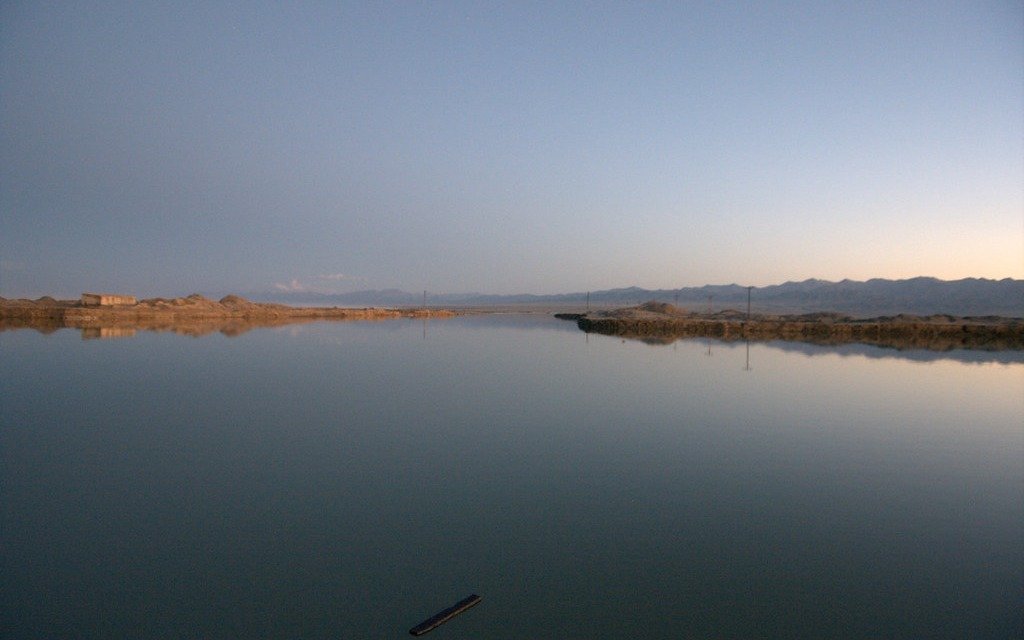
The world's second-largest salt lake, Qarhan covers 5,856 square kilometers. Its vast salt flats create a mirror-like effect, perfect for photos. Visit from June to October, wear sunglasses, and avoid direct contact with the brine.
A remarkable engineering feat, this 32-kilometer highway is built entirely on salt crust. The bridge offers surreal views of the salt lake. Drive carefully and stop at designated areas for photos.
These wind-eroded formations create a Martian-like landscape. The yardangs are best seen at sunrise or sunset when the light highlights their shapes. Bring water and a map, as the area is remote.
Nestled at the foot of the Qilian Mountains, this hot spring offers a relaxing soak with views of the surrounding desert. The town sits at 2,900 meters, so take it easy. Best enjoyed in cooler months.
A vast, high-altitude wilderness and UNESCO World Heritage site, Hoh Xil is home to Tibetan antelope and wild donkeys. Best visited from May to September, but requires permits and a guide. Respect the fragile ecosystem.
Spanning Qinghai, Xinjiang, and Tibet, this reserve protects rare wildlife like the snow leopard. Access is restricted, so join a professional tour from Golmud. Bring oxygen and dress warmly.
Named after a hero who fought poachers, this station is a symbol of wildlife conservation in Hoh Xil. Visitors can learn about efforts to protect Tibetan antelopes. It's a moving stop for nature lovers.
A unique spring that remains unfrozen even in winter, surrounded by stunning alpine scenery. It's a popular rest stop on the way to Tibet. Take photos but avoid disturbing the fragile environment.
A Taoist temple on the Qinghai-Tibet Highway, dedicated to the Dragon and Phoenix. It features intricate statues and a serene atmosphere. Visitors can explore the halls and learn about Taoist culture.
Mysterious rock formations that some believe are evidence of extraterrestrial activity. The site offers a unique landscape and a sense of wonder. Best visited with a guide to understand the local legends.
A sacred site featuring thousands of stone tablets inscribed with Buddhist scriptures. It's a peaceful place for reflection and photography. Respect the religious significance and avoid touching the stones.
A historic Tibetan Buddhist temple with beautiful murals and a tranquil courtyard. It's an active place of worship, so visitors should dress modestly and follow local customs. A hidden gem for cultural immersion.
A high-altitude lake associated with the mythical Queen Mother of the West. The turquoise waters and surrounding peaks create a surreal landscape. It's a remote spot, so plan for a full day trip.
An ancient burial site of Tibetan nobles, with unexcavated tombs scattered across the grassland. The area is undeveloped, offering a raw and authentic experience. Hire a local guide for the best insights.
Best Time to Visit
Each season offers something different.
Spring
Cool and dry with strong winds. Pack layers and sunscreen; roads may be dusty.
Summer
Mild and relatively wet, ideal for travel. Bring rain gear and sun protection; expect crowds.
Autumn
Crisp and clear, perfect for photography. Temperatures drop quickly; bring warm clothing.
Winter
Very cold and dry, with little tourism. Only for experienced travelers; ensure gear for extreme cold.
Suggested Itineraries
Plans for every schedule.
Classic 2-Day
Day 1: Qarhan Salt Lake, Kunlun Mountains, Kunlun Pass. Day 2: West Queen Mother's Jasper Lake (Heihai), Budongquan (Frozen Spring), Sonam Dargye Protection Station.
Kunlun Culture 3-Day
Day 1: Kunlun Mountains, Kunlun Pass, Wuji Longfeng Palace. Day 2: West Queen Mother's Jasper Lake (Heihai), Budongquan (Frozen Spring), Alien Ruins. Day 3: Ganjur Stone Sutra City, Gongsa Temple.
Highland Adventure 4-Day
Day 1: Qarhan Salt Lake, Kunlun Mountains. Day 2: Kunlun Pass, West Queen Mother's Jasper Lake (Heihai), Budongquan (Frozen Spring). Day 3: Hoh Xil, Sonam Dargye Protection Station, Tanggula Mountain Viewpoint. Day 4: Alien Ruins, Wuji Longfeng Palace, Ganjur Stone Sutra City, Gongsa Temple.
Local Tips
Insider knowledge for a smoother trip.
Acclimatize gradually; carry oxygen and medication for altitude sickness.
Be mindful of ethnic traditions and ask before photographing people.
Book train tickets early; buses to Xining and Dunhuang are available but limited.
ATMs exist but carry cash for remote areas; split money for safety.
Do not litter; the plateau ecosystem is fragile, especially in Populus euphratica forest.
Bring layers, sunscreen, and lip balm; nights are cold even in summer.
FAQs About golmud
Quick answers to common questions.
Ready to Explore golmud?
Let MagicTrip build the perfect golmud itinerary — tailored to your interests, pace, and budget.