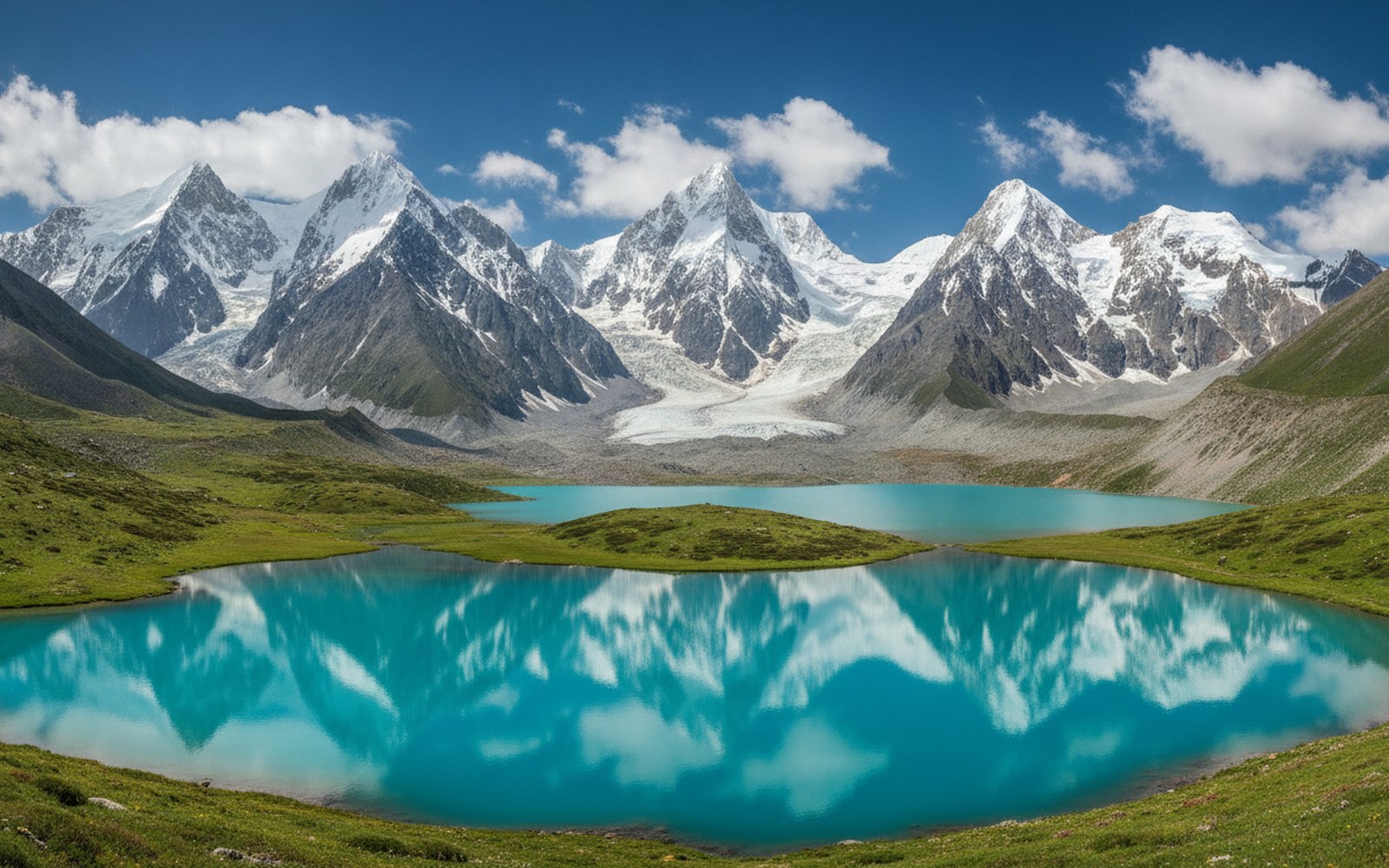
Ganzi
Where Tibetan culture meets dramatic highland landscapes
Ganzi at a Glance
Everything you need to know before you go.
Where to Stay
Choose the neighborhood that fits your style.
Kangding
Kangding, the gateway to western Sichuan, offers a blend of Tibetan culture and modern comforts. Stay here for easy access to the famous Tagong Grassland and the sacred Mugecuo Lake. The town is dotted with Tibetan-style inns, local eateries serving yak meat dishes, and shops selling traditional crafts. It suits travelers seeking cultural immersion and convenient transport links to the highlands.
Cultural hubDaocheng / Yading
Daocheng and the adjacent Yading Nature Reserve are renowned for their pristine alpine scenery, including the Three Holy Mountains. Accommodations range from simple guesthouses to eco-lodges, with many offering views of snow-capped peaks. Visitors can explore hiking trails, visit local monasteries, and enjoy hearty Tibetan meals. This area is ideal for nature lovers and trekkers looking for an off-the-beaten-path adventure.
Nature escapeLuding
Luding, a historic town along the Dadu River, is known for the Luding Bridge, a significant site in Chinese revolutionary history. Stay here for a quieter experience with access to nearby hot springs and the Hailuogou Glacier. Local guesthouses provide cozy stays, and restaurants serve Sichuan-style dishes. It's a good base for those interested in history and outdoor activities without the crowds.
Historic & quietGanzi County
Ganzi County, the heart of the Garze Tibetan Autonomous Prefecture, offers a deep dive into Tibetan Buddhism and traditional culture. The area features monasteries like Ganzi Monastery and vibrant local markets. Accommodations include simple hotels and family-run inns, with opportunities to taste Tibetan butter tea and tsampa. This destination suits travelers seeking authentic cultural experiences and spiritual exploration.
Cultural immersionGanzi Highlights
The city's essential experiences.
Xiannairi is the northern peak of the Three Protector Gods in Yading, with snow-capped summit year-round. Surrounded by alpine lakes, glaciers, and forests, it's a photographer's paradise. Best visited from April to November, 07:00-18:30.
Mount Gongga, known as the 'King of Sichuan Mountains,' towers at 7,556 meters. Its majestic peak and glaciers offer breathtaking views. Accessible via hiking trails, it's a must-see for adventure seekers and nature lovers.
Yading Nature Reserve is famed for its three sacred peaks and pristine alpine scenery. Explore the valleys and lakes for an unforgettable trekking experience. Open year-round, but best from April to November.
Hailuogou boasts the world's lowest glacier at 2,850 meters. The park features primeval forests, hot springs, and ice cascades. Take the cable car for panoramic views of the glacier and surrounding peaks.
Mugecuo is a stunning alpine lake surrounded by virgin forests and snow-capped mountains. Known as the 'Heavenly Lake,' it offers boating and hiking. The area is especially beautiful in autumn when foliage turns golden.
The Red Grassland is a unique wetland where red plants cover the ground in autumn, creating a surreal landscape. Located near Daocheng, it's a perfect spot for photography and quiet reflection.
Ganzi Temple is the largest Gelug monastery in Ganzi Prefecture, known as the first of the 'Thirteen Hor Temples.' Perched on a hillside, it offers panoramic views and a glimpse into Tibetan Buddhist culture.
Larung Gar is the world's largest Buddhist academy, home to thousands of monks and nuns. The valley is filled with red wooden huts, creating a striking sight. Visitors can observe daily rituals and teachings.
Tagong Monastery is a significant Gelug monastery with a golden stupa and prayer wheels. It's a serene place to experience Tibetan Buddhism. The surrounding grasslands and snow peaks add to its spiritual ambiance.
Jiaju is a beautiful Tibetan village known for its white houses and watchtowers, surrounded by terraced fields and forests. It's a UNESCO World Heritage candidate and a great place to experience local culture.
Tagong Grassland offers vast, open meadows with yaks and horses grazing. The grassland is dotted with prayer flags and offers stunning views of Yala Snow Mountain. Perfect for camping and horseback riding.
Maoya Grassland is a vast, unspoiled prairie with seasonal flowers and wildlife. It's an ideal spot for picnics and photography. The grassland is especially vibrant in summer when wildflowers bloom.
Xinduqiao is a photographer's paradise, known as the 'Photography Corridor' for its picturesque landscapes of rivers, Tibetan houses, and golden autumn trees. The light here creates stunning images at sunrise and sunset.
Luding Bridge is a historic iron-chain bridge over the Dadu River, famous for its role in the Long March. The bridge offers a glimpse into China's revolutionary history and provides scenic river views.
Best Time to Visit
Each season offers something different.
Spring
Cool and dry, with occasional sandstorms. Best for visiting monasteries and experiencing local festivals.
Summer
Mild and rainy, with lush grasslands. Ideal for outdoor activities and enjoying the vibrant green landscapes.
Autumn
Clear skies and crisp air, with golden grasslands. Perfect for photography and trekking.
Winter
Cold and dry, with heavy snowfall in high altitudes. Suitable for winter sports and experiencing Tibetan culture.
Suggested Itineraries
Plans for every schedule.
Classic 2-Day
Day 1: Tagong Monastery, Tagong Grassland. Day 2: Xinduqiao, Mugecuo Scenic Area.
3-Day Highlights
Day 1: Luding Bridge, Mugecuo Scenic Area. Day 2: Tagong Grassland, Tagong Monastery. Day 3: Xinduqiao, Jiaju Tibetan Village.
4-Day Deep Dive
Day 1: Luding Bridge, Mugecuo Scenic Area. Day 2: Tagong Grassland, Tagong Monastery. Day 3: Xinduqiao, Jiaju Tibetan Village. Day 4: Hailuogou Glacier Forest Park.
Local Tips
Insider knowledge for a smoother trip.
Ganzi is high altitude; acclimatize gradually to avoid altitude sickness.
Strong UV rays; wear sunscreen, sunglasses, and a hat.
Temperature swings are large; pack layers for changing weather.
When visiting monasteries, follow etiquette and avoid disturbing religious practices.
Some areas may require permits for foreign visitors; check in advance.
Plan around local festivals for unique cultural experiences.
FAQs About Ganzi
Quick answers to common questions.
Ready to Explore Ganzi?
Let MagicTrip build the perfect Ganzi itinerary — tailored to your interests, pace, and budget.