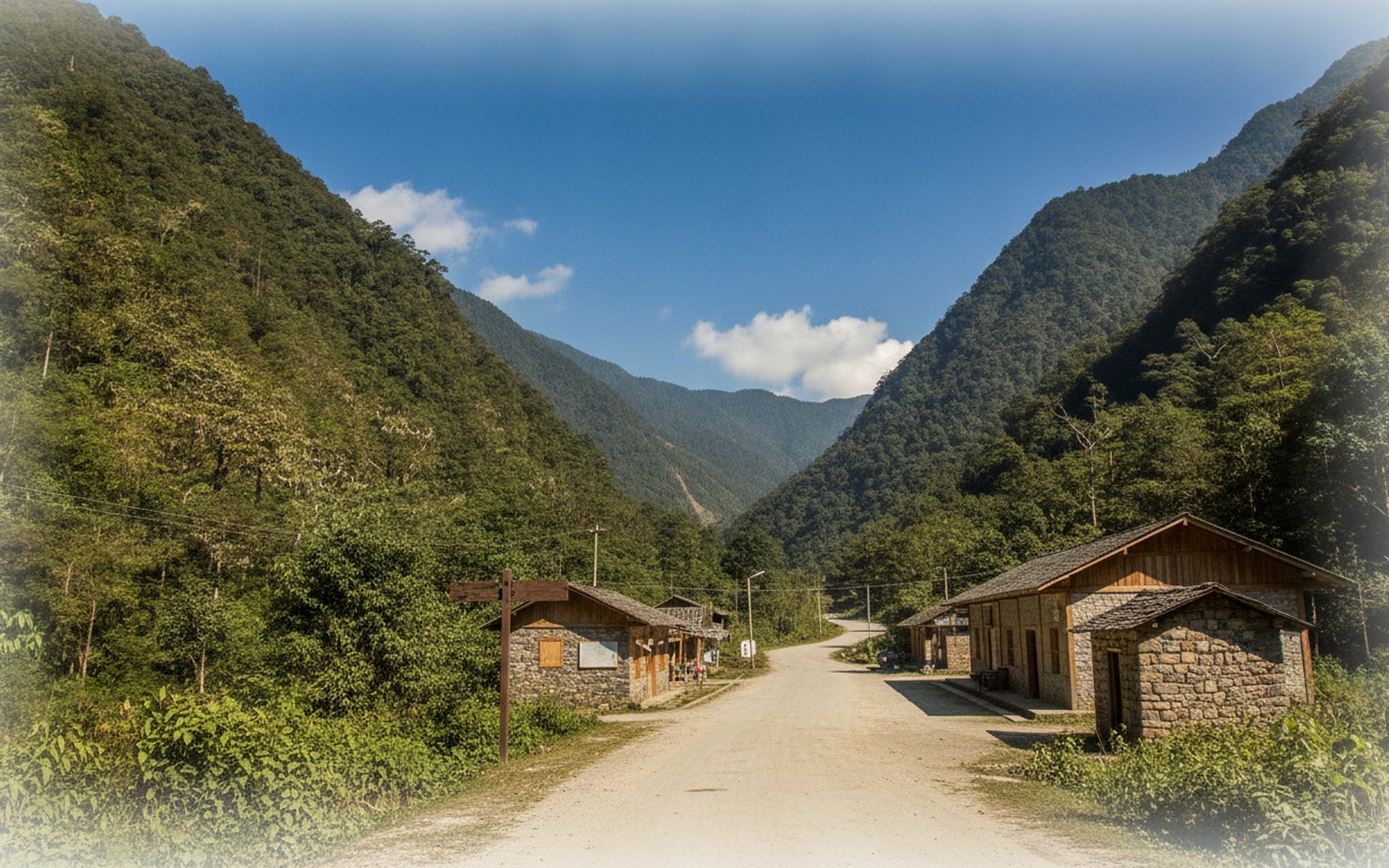
Dulongjiang
An epic 7-day trek from the Nujiang Grand Canyon to the remote Dulongjiang valley.
dulongjiang at a Glance
Everything you need to know before you go.
Where to Stay
Choose the neighborhood that fits your style.
Qitong & Dongshaofang Mountain Camps
Perched high in the mountains, these camps offer a rugged, immersive stay amid pristine forests and dramatic peaks. Ideal for trekkers and nature lovers seeking solitude, with basic facilities and stunning sunrise views over the Dulong River valley.
Adventure baseBapo & Dulongjiang Valley
Set along the river, this area provides a cultural gateway to the Dulong people, with simple guesthouses and local eateries. Explore nearby waterfalls, traditional villages, and the famed Dulong textile craft, all within walking distance of the valley floor.
Cultural immersionDulongjiang Township Center
The township hub offers the most amenities, including small shops, a clinic, and basic restaurants serving local dishes. Stay here for easier access to transport links, the Dulong River bridge, and day trips to surrounding viewpoints and ethnic villages.
Convenient baseKongdang & Upper Valley
Further upstream, this remote area rewards visitors with untouched landscapes and fewer crowds. Accommodations are sparse but cozy, often run by local families. Perfect for those wanting to experience the valley's wild beauty and traditional lifeways up close.
Remote retreatdulongjiang Highlights
The city's essential experiences.
The Dulong River originates near Chayu in Tibet, flows through Yunnan, and becomes the Irrawaddy in Myanmar. Its turquoise waters and dramatic gorges offer stunning views along the valley.
A spectacular waterfall cascading down a cliff, named for its crescent-shaped pool. Best visited during the rainy season when the flow is at its most powerful and photogenic.
A remote valley carved by the Dulong River, home to the Dulong people and lush forests. The valley's isolation preserves unique traditions and pristine landscapes.
A high mountain pass offering panoramic views of the surrounding peaks and valleys. It's a challenging trek but rewards with breathtaking scenery and a sense of remoteness.
A scenic viewpoint and rest stop along the Dulong River, providing a perfect vantage point to appreciate the river's beauty and the valley's grandeur.
A conservation station dedicated to protecting the local ecosystem. Visitors can learn about the area's biodiversity and the efforts to preserve its unique flora and fauna.
A traditional Dulong village where you can experience the local culture and customs. The villagers are known for their hospitality and the unique 'Dulong tattoo' tradition.
Two remote villages offering a glimpse into the traditional lifestyle of the Dulong people. Their wooden houses and terraced fields create a picturesque rural landscape.
A historical site featuring traditional architecture and cultural significance. It provides insight into the region's history and the daily life of its inhabitants.
Best Time to Visit
Each season offers something different.
Spring
Mild and wet, with blooming flowers. Roads may be slippery; carry rain gear.
Summer
Warm and rainy, with frequent showers. Ideal for lush greenery, but watch for landslides.
Autumn
Clear skies and pleasant temperatures, perfect for trekking and photography.
Winter
Cold and dry, with possible snow at high elevations. Some roads may close; check access.
Suggested Itineraries
Plans for every schedule.
Classic 2-Day
Day 1: Gazu Tianbao Station, Qitong Protection Station, Dongshaofang. Day 2: Nangawangma Pass, Bapo, Maku or Qinlangdang.
Scenic 3-Day
Day 1: Gazu Tianbao Station, Qitong Protection Station, Dongshaofang. Day 2: Nangawangma Pass, Bapo, Maku or Qinlangdang. Day 3: Moon Waterfall, Dulongjiang Valley.
Immersive 4-Day
Day 1: Gazu Tianbao Station, Qitong Protection Station. Day 2: Dongshaofang, Nangawangma Pass. Day 3: Bapo, Maku or Qinlangdang, Moon Waterfall. Day 4: Dulongjiang Valley.
Local Tips
Insider knowledge for a smoother trip.
Foreigners and Chinese citizens need a permit to enter the Dulong River area.
The mountain roads are narrow and winding; drive cautiously and hire a local driver.
Temperatures vary greatly with altitude; bring warm clothing even in summer.
The Dulong people have unique customs; ask before taking photos.
Accommodation and supplies are basic; bring essentials like snacks and medicine.
Visit in autumn for the clearest weather and best trekking conditions.
FAQs About dulongjiang
Quick answers to common questions.
Ready to Explore dulongjiang?
Let MagicTrip build the perfect dulongjiang itinerary — tailored to your interests, pace, and budget.