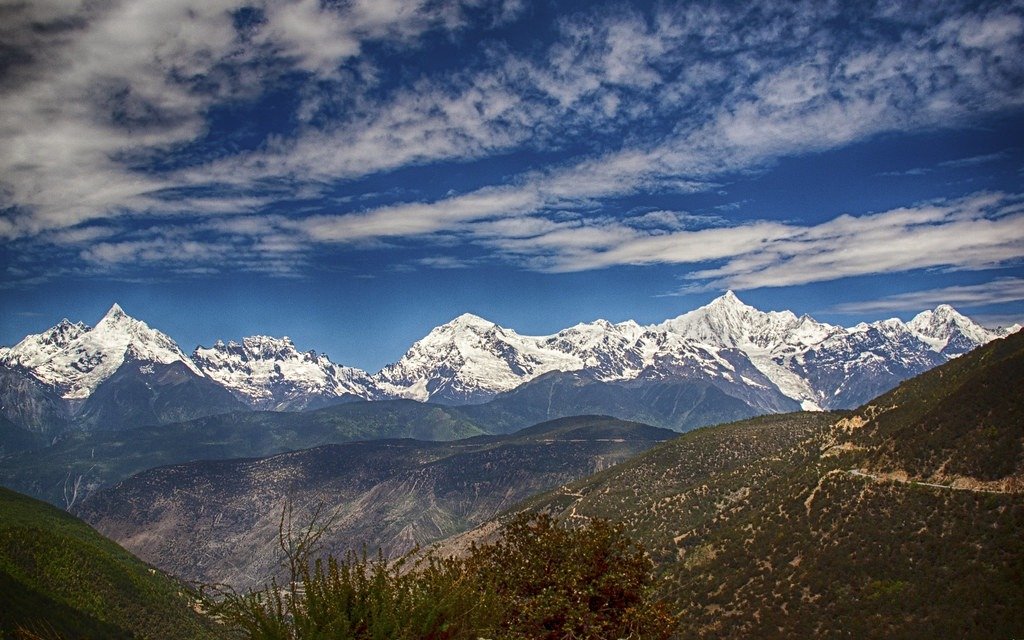
Deqin
A soul-stirring 6-day trek from Shangri-La to the sacred peaks and hidden valleys of Deqin.
deqin at a Glance
Everything you need to know before you go.
Where to Stay
Choose the neighborhood that fits your style.
Feilai Temple
Perched on a cliff overlooking the majestic Meili Snow Range, Feilai Temple is the premier spot for sunrise views of Kawagebo Peak. The area offers simple guesthouses and a few local eateries serving Tibetan fare, with easy access to the viewing platform and the Wuming Temple. Ideal for photographers and those seeking a spiritual atmosphere with minimal amenities.
Best viewsYubeng Village
A remote, car-free village nestled deep in the mountains, Yubeng is the gateway to stunning trekking routes to the Ice Lake and Sacred Waterfall. Accommodations are basic family-run guesthouses with hearty local meals. The village offers an immersive experience of Tibetan culture and pristine nature, but requires a hike or horseback ride to reach. Perfect for adventurous hikers and nature lovers.
Trekker's havenDeqin County Town
The administrative hub of the region, Deqin County Town serves as a practical base with a range of hotels, from budget to mid-range, and local restaurants serving Tibetan and Chinese dishes. It offers bus connections to surrounding areas and is close to the Feilai Temple viewpoint. Suitable for travelers needing more facilities and easier logistics before heading into the mountains.
Convenient baseMingyong Village
Located near the base of the Meili Snow Mountains, Mingyong Village is known for the Mingyong Glacier, one of the lowest glaciers in the world. The area has a few guesthouses and a cable car for glacier access. It provides a quieter alternative to Feilai Temple, with opportunities for short hikes and close-up glacier views. Great for those interested in glaciology and less crowded spots.
Glacier accessdeqin Highlights
The city's essential experiences.
Catch the first light hitting the sacred peaks of Kawagebo from this renowned viewpoint. Arrive early to secure a spot, as it's the most popular spot for sunrise photography in the area.
A challenging but rewarding trek through pristine valleys and forests. The trail offers stunning views of the surrounding mountains and leads to the remote village of Upper Yubeng, a gateway to further adventures.
Descend from Upper Yubeng to Lower Yubeng, a scenic walk that takes about 1-2 hours. The lower village offers guesthouses and is the starting point for treks to the Holy Waterfall and Ice Lake.
A sacred waterfall believed to wash away sins, located near Lower Yubeng. The mist from the falls often creates rainbows on sunny days, making it a magical sight. Be prepared for a steep climb to reach it.
A strenuous but unforgettable trek from Lower Yubeng to the Holy Waterfall. The path winds through forests and rocky terrain, with the sound of rushing water growing louder as you approach. Allow a full day for this excursion.
A relaxing drive to the natural hot springs at Xidang, where you can soak in warm mineral waters surrounded by mountain scenery. It's a perfect way to unwind after days of trekking.
A small but significant Tibetan Buddhist temple perched on a cliff, offering panoramic views of the Meili Snow Mountain range. It's a peaceful place to learn about local religious practices and enjoy the serene atmosphere.
Built in 1682, this is the largest Gelugpa monastery in the Jianzha area, known for its many affiliated temples and reincarnate lamas. It houses sacred relics like a red-gold Tara statue and sandalwood Tara, and hosts a cham dance on the 15th day of the first lunar month.
A scenic 4-5 hour bus ride from Shangri-La to Deqin, winding through high mountain passes with breathtaking views. Book your ticket in advance, especially during peak season, and sit on the left side for the best scenery.
Stay at a guesthouse near Feilai Temple for easy access to the sunrise viewpoint. Rooms are basic but comfortable, and many offer balconies facing the snow mountains. Book ahead during holidays.
Savor authentic Tibetan cuisine at a local restaurant in Feilai Temple area. Try yak meat dishes, butter tea, and tsampa. The cozy atmosphere and warm hospitality make for a memorable dining experience.
Best Time to Visit
Each season offers something different.
Spring
Cool and dry, with occasional snow. Good for photography, but be prepared for cold mornings.
Summer
Warm and rainy, with lush greenery. Expect clouds and possible road disruptions; pack rain gear.
Autumn
Crisp and clear, offering the best views of Meili Snow Mountain. Ideal for trekking and sightseeing.
Winter
Cold and dry, with heavy snow at high altitudes. Great for snowscapes, but roads may be icy.
Suggested Itineraries
Plans for every schedule.
Classic 2-Day
Day 1: Bus from Shangri-La to Deqin, check in at Feilai Temple guesthouse, explore Feilai Temple area, dinner at local restaurant. Day 2: Feilai Temple Sunrise Viewpoint, drive to Xidang Hot Spring, trek Xidang to Upper Yubeng, continue to Lower Yubeng.
Yubeng Trek 3-Day
Day 1: Bus from Shangri-La to Deqin, check in at Feilai Temple guesthouse, explore Feilai Temple area. Day 2: Feilai Temple Sunrise Viewpoint, drive to Xidang Hot Spring, trek Xidang to Upper Yubeng, continue to Lower Yubeng. Day 3: Trek to Holy Waterfall, return to Xidang Hot Spring.
Deep Dive 4-Day
Day 1: Bus from Shangri-La to Deqin, check in at Feilai Temple guesthouse, explore Feilai Temple area, dinner at local restaurant. Day 2: Feilai Temple Sunrise Viewpoint, drive to Xidang Hot Spring, trek Xidang to Upper Yubeng, continue to Lower Yubeng. Day 3: Trek to Holy Waterfall, return to Lower Yubeng. Day 4: Trek back to Xidang Hot Spring, drive to Feilai Temple, visit Holy Waterfall (if time permits) or relax.
Local Tips
Insider knowledge for a smoother trip.
Deqin is high; acclimatize slowly to avoid altitude sickness.
Visit Feilai Temple for classic sunrise views of Kawagebo peak.
Temperature swings are large; wear layers and a warm jacket.
Public buses are limited; consider hiring a car for flexibility.
Tibetan culture is sacred; always ask before photographing locals.
Accommodation fills fast in peak season; reserve early.
FAQs About deqin
Quick answers to common questions.
Ready to Explore deqin?
Let MagicTrip build the perfect deqin itinerary — tailored to your interests, pace, and budget.