Bomi
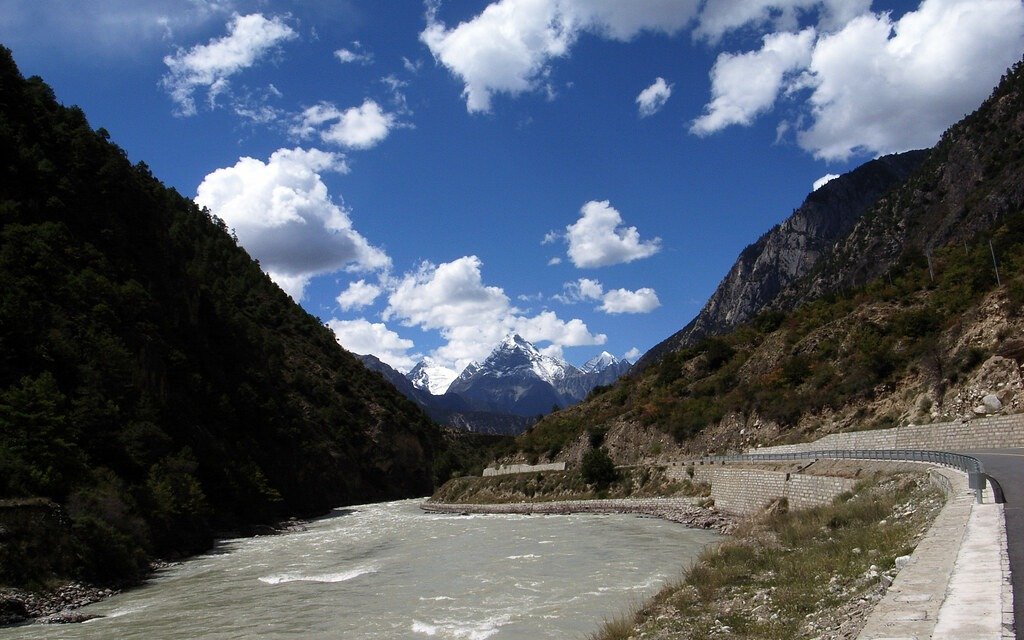
Alpine forests, glaciers, and the roaring Palongzangbo River on the G318.
bomi at a Glance
Everything you need to know before you go.
Where to Stay
Choose the neighborhood that fits your style.
Bomi County
Bomi County, the main town, sits along National Highway 318. Stay here for easy access to local amenities, including the Bomi Center Plaza. Budget travelers can find hostels like Bomi Youyoudao International Youth Hostel, offering dorm beds for 30 yuan and tent sites for 15 yuan, with mountain views. It suits backpackers and self-drive tourists seeking convenience and value.
Best accessMidui Glacier & Palongzangbo Valley
This area is ideal for nature lovers. The Midui Glacier and Palongzangbo Valley offer stunning landscapes. Accommodations like Songtsam Bome Linka in Guxiang Village provide upscale lodging, about 112 km from the city center. It's perfect for those wanting to explore glaciers and valleys in comfort.
Nature escapebomi Highlights
The city's essential experiences.
One of China's most beautiful glaciers, located in Bomi County. The glacier meets the forest at the foot of the mountain, creating a stunning contrast. A must-see for nature lovers.
A hidden gem among Bomi's glaciers, offering pristine ice formations and breathtaking views. Less crowded than Midui, it's perfect for those seeking solitude in nature.
A deep canyon carved by the Palongzangbo River, offering dramatic cliffs and turquoise waters. Drive along the river for spectacular views and photo opportunities.
A serene alpine lake surrounded by snow-capped peaks and lush forests. The crystal-clear water reflects the sky, making it a perfect spot for photography and relaxation.
In spring, the valley bursts into pink blossoms, creating a dreamlike landscape. Best visited from April to May, this is a paradise for photographers and romantics.
A scenic drive along the Palongzangbo River, offering views of deep gorges, waterfalls, and pristine forests. The journey itself is a highlight, with many viewpoints to stop and admire.
Known as 'Switzerland of Tibet', Bomi County is a historic stop on the Tea-Horse Road. Explore traditional Tibetan villages and experience unique customs and hospitality.
Stay in a cozy eco-lodge surrounded by nature. Enjoy warm Tibetan hospitality and stunning views of the mountains, making it a perfect base for exploring the area.
A local specialty, this chicken is slow-cooked in a stone pot with herbs, resulting in a rich and flavorful broth. A must-try for food enthusiasts visiting Bomi.
A scenic route that takes you past the majestic Midui Glacier. Along the way, enjoy panoramic views of snow peaks, forests, and rivers. Ideal for a road trip adventure.
Best Time to Visit
Each season offers something different.
Spring
Cool and dry with occasional rain. Ideal for trekking as trails are less muddy.
Summer
Warm and rainy, lush greenery. Watch for landslides; pack rain gear.
Autumn
Clear skies, crisp air, and golden forests. Best time for photography and hiking.
Winter
Cold and snowy, some roads may close. Visit for snowscapes but check accessibility.
Suggested Itineraries
Plans for every schedule.
Classic 2-Day
Day 1: Drive along Palongzangbo River to Bomi, visit Midui Glacier, then try Bomi stone pot chicken. Day 2: Explore Bomi County and Bomi Peach Blossom Valley (if in season), stay at Bomi Eco-Lodge.
Nature & Glaciers 3-Day
Day 1: Drive to Bomi via Midui Glacier, visit Midui Glacier, then try Bomi stone pot chicken. Day 2: Explore Rawu Lake and Palongzangbo Canyon. Day 3: Visit Laigu Glacier, then explore Bomi County and Bomi Peach Blossom Valley (if in season).
Deep Exploration 4-Day
Day 1: Drive along Palongzangbo River to Bomi, visit Midui Glacier, then try Bomi stone pot chicken. Day 2: Explore Rawu Lake and Palongzangbo Canyon. Day 3: Visit Laigu Glacier, then relax at Bomi Eco-Lodge. Day 4: Explore Bomi County and Bomi Peach Blossom Valley (if in season).
Local Tips
Insider knowledge for a smoother trip.
Spend a day in lower altitudes to adjust before exploring higher areas.
Temperatures vary greatly; bring warm clothing even in summer.
Mountain roads can be rough; check weather and road status before driving.
Bomi is a Tibetan area; be mindful of local customs and religious sites.
High altitude increases dehydration; drink plenty of water.
For remote treks, consider a local guide for safety and navigation.
FAQs About bomi
Quick answers to common questions.
Ready to Explore bomi?
Let MagicTrip build the perfect bomi itinerary — tailored to your interests, pace, and budget.