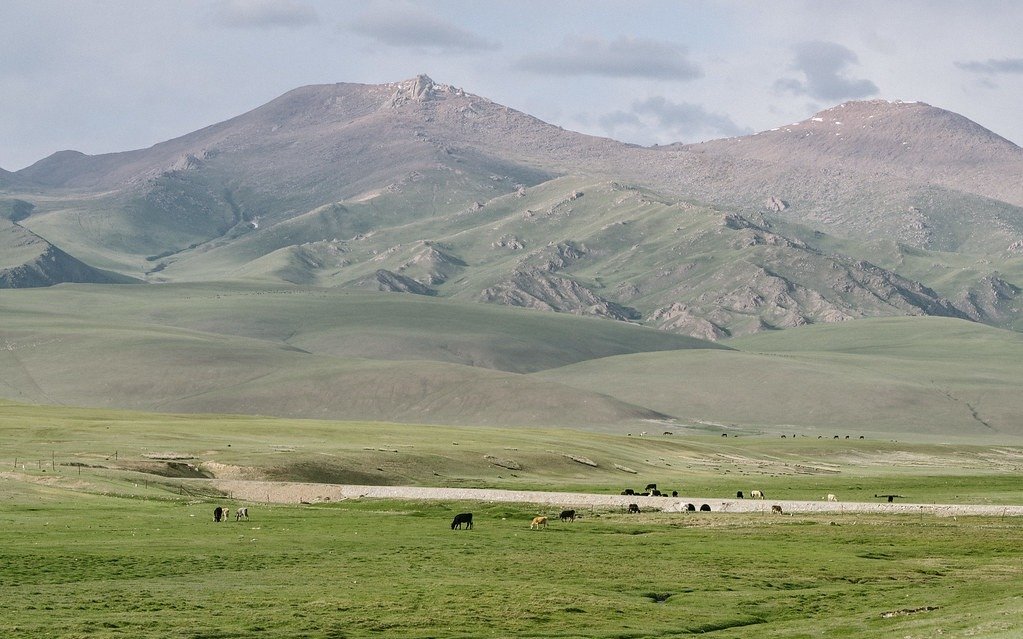
Bayanbulak
Highland wetlands and winding river bends along the Duku Highway
bayanbulak at a Glance
Everything you need to know before you go.
Where to Stay
Choose the neighborhood that fits your style.
Bayanbulak Grassland
The heart of the reserve, offering vast alpine meadows and the famous Nine Bends of the Open Sun River. Ideal for nature lovers seeking sunrise and sunset views. Basic yurts and guesthouses provide an authentic stay, with local Kazakh cuisine available nearby.
Scenic coreQiaoerma Town
A small settlement at the grassland's edge, serving as a practical base with limited but essential services. Close to the main entrance, it offers simple lodging and dining options, making it convenient for early morning wildlife spotting or quick access to the reserve's highlights.
Gateway baseBayanbulak Town
The administrative center of the area, with a few hotels and restaurants. It's a good stop for travelers needing supplies or a more structured stay, while still being within reach of the grassland's attractions.
Convenient hubKaidu River Valley
Following the river that winds through the grassland, this area offers scenic drives and walks. Accommodations are sparse, but camping is possible for adventurous visitors. The valley is known for its birdlife and peaceful atmosphere, away from the main tourist spots.
Riverside retreatbayanbulak Highlights
The city's essential experiences.
China's largest alpine grassland, its name meaning 'abundant springs' in Mongolian. A typical alpine meadow and the most fertile summer pasture on the Tianshan's southern slopes. Ticket: 48 yuan; full package with shuttle: 280 yuan.
A serene lake within Bayanbulak, part of China's only wetland and swan nature reserve. From the observation deck, quietly watch swans glide or use binoculars to spot rare birds. A peaceful haven for nature lovers.
A famous viewpoint where the Kaidu River winds into nine bends and eighteen turns, reflecting the sunset like a golden ribbon. Best visited in the evening for spectacular photo opportunities. A must-see in Bayanbulak.
A historic Tibetan Buddhist temple nestled in the grassland, offering a glimpse into local spiritual life. Its serene setting and unique architecture make it a peaceful stop. Respectful attire is appreciated.
A high mountain pass on the way to Bayanbulak, offering breathtaking views of the Tianshan range. The drive is scenic but winding; take it slow and enjoy the alpine vistas. A great spot for photos.
A modern tunnel that cuts through the mountains, easing travel in the region. It's an engineering marvel amidst rugged terrain. Drive through to appreciate the convenience and the dramatic landscape beyond.
A memorial honoring the builders of the Duku Highway and the martyrs who died during its construction. A solemn site with a poignant history. Pay respects and reflect on the sacrifices made for this vital route.
A stunning stretch of road known for its picturesque landscapes, from rolling grasslands to dense forests. Perfect for a leisurely drive with frequent stops for photos. Each turn reveals a new natural masterpiece.
Best Time to Visit
Each season offers something different.
Spring
Cool and windy, with occasional snow. Grass begins to green. Pack warm layers.
Summer
Mild and pleasant, ideal for grassland views and wildlife. Rain possible; bring a light jacket.
Autumn
Crisp air, golden grass, and clear skies. Great for photography, but temperatures drop quickly.
Winter
Severely cold with heavy snow. Roads may close; only for experienced winter travelers.
Suggested Itineraries
Plans for every schedule.
Classic 2-Day
Day 1: Bayanbulak Grassland, Swan Lake, Nine Bends and Eighteen Turns Viewpoint. Day 2: Barun Kure Temple, Lardun Pass, Yuximolegai Tunnel.
Scenic 3-Day
Day 1: Bayanbulak Grassland, Swan Lake. Day 2: Nine Bends and Eighteen Turns Viewpoint, Barun Kure Temple. Day 3: Lardun Pass, Yuximolegai Tunnel, Tangbula Hundred-Mile Gallery.
Full 4-Day
Day 1: Bayanbulak Grassland, Swan Lake. Day 2: Nine Bends and Eighteen Turns Viewpoint, Barun Kure Temple. Day 3: Lardun Pass, Yuximolegai Tunnel, Qiaoerma Duku Highway Monument & Martyrs Cemetery. Day 4: Tangbula Hundred-Mile Gallery.
Local Tips
Insider knowledge for a smoother trip.
At 2,500m, take it easy to avoid altitude sickness.
Visit Swan Lake early morning or sunset for bird activity.
Temperature swings are large; bring warm clothing even in summer.
Check road access before traveling, especially in shoulder seasons.
Keep distance from swans and other animals; do not feed them.
Public transport is limited; consider hiring a 4WD or joining a tour.
FAQs About bayanbulak
Quick answers to common questions.
Ready to Explore bayanbulak?
Let MagicTrip build the perfect bayanbulak itinerary — tailored to your interests, pace, and budget.