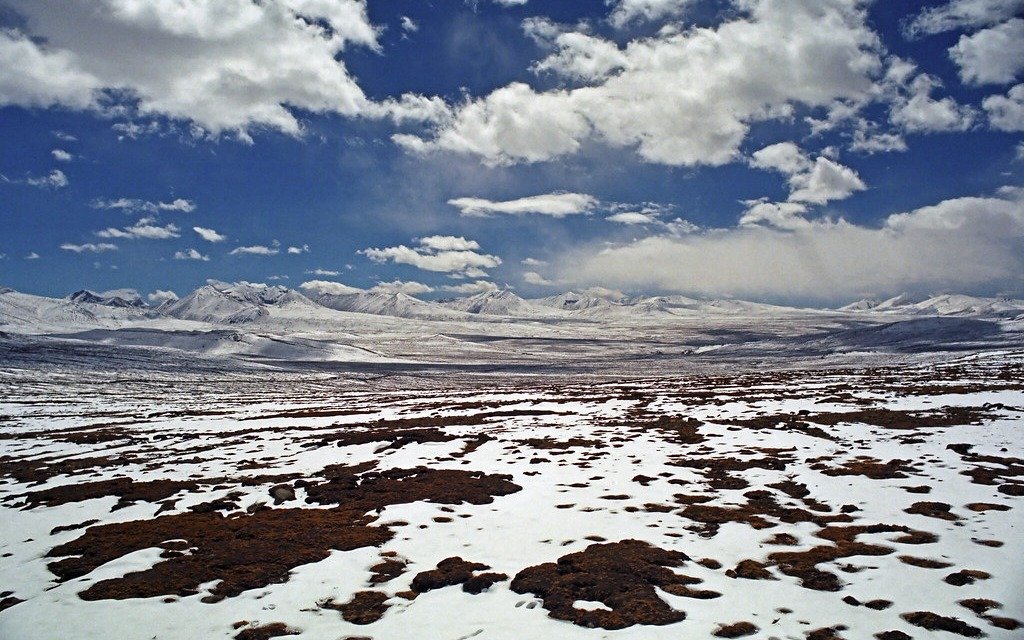
Baxoi
Tackle the legendary Nujiang 72 Turns and unwind by the turquoise Rawu Lake on the high-altitude G318.
baxoi at a Glance
Everything you need to know before you go.
Where to Stay
Choose the neighborhood that fits your style.
Baxoi Town
Baxoi Town is the main hub of Baxoi County, offering basic guesthouses and small eateries. It serves as a convenient stopover for travelers on the Sichuan-Tibet Highway, with easy access to local shops and transport. Ideal for those seeking a simple, functional stay with essential amenities.
Convenient stopoverRawu Lake (Ranwu Lake)
Rawu Lake, also known as Ranwu Lake, is a stunning glacial lake surrounded by snow-capped peaks and lush forests. Accommodations here are limited but offer breathtaking views and a tranquil atmosphere. Perfect for nature lovers and photographers wanting a serene retreat away from town bustle.
Scenic lakesideAnjula Mountain Pass
Anjula Mountain Pass is a high-altitude area known for its dramatic landscapes and panoramic views. While lodging is sparse, it provides a unique base for adventurous travelers seeking proximity to hiking trails and untouched nature. Expect basic facilities and a raw, immersive experience.
Adventure baseRanwu Town
Ranwu Town is a small settlement near Rawu Lake, offering a few simple guesthouses and local restaurants. It's a quieter alternative to Baxoi Town, with easy access to the lake and surrounding trails. Suitable for travelers who prefer a peaceful, rustic environment with basic comforts.
Rustic charmbaxoi Highlights
The city's essential experiences.
A stunning alpine lake reflecting snow-capped peaks and forests. It's a serene spot for photography, especially at sunrise when the water turns golden.
One of the largest and most accessible glaciers in Tibet. Hike to the glacier tongue or enjoy panoramic views from the viewing platform.
A dramatic canyon carved by the Nujiang River, offering breathtaking views. The drive along its rim is thrilling but requires careful driving.
A high mountain pass with panoramic views of the surrounding peaks. It's a popular stop for photos and to acclimatize to the altitude.
A famous winding road with 72 hairpin bends, offering an adrenaline-pumping drive. Stop at the viewpoint to capture the switchbacks below.
A scenic drive through the Tibetan plateau, passing grasslands, rivers, and mountains. Keep your camera ready for wildlife and stunning vistas.
A journey through deep valleys and over high passes, offering a mix of desert and alpine scenery. It's a long drive, so plan for breaks.
A comfortable hotel in Baxoi town, offering clean rooms and hot showers. It's a convenient stop for travelers on the Sichuan-Tibet Highway.
Best Time to Visit
Each season offers something different.
Spring
Cool and dry, with occasional snow. Best for visiting lakes and glaciers before summer rains.
Summer
Mild and rainy, lush landscapes. Ideal for trekking, but be prepared for mud and variable weather.
Autumn
Crisp and clear, with golden foliage. Perfect for photography and outdoor activities.
Winter
Cold and snowy, with frozen lakes. Roads may be icy; visit for serene snowscapes.
Suggested Itineraries
Plans for every schedule.
Classic 2-Day
Day 1: Drive from Markam to Baxoi, Nujiang 72 Turns, Nujiang Grand Canyon. Day 2: Rawu Lake (Ranwu Lake), Laigu Glacier, stay at Baxoi Hotel.
Scenic 3-Day
Day 1: Drive from Zogang to Bangda, Dongda Mountain Pass. Day 2: Nujiang 72 Turns, Nujiang Grand Canyon. Day 3: Rawu Lake (Ranwu Lake), Laigu Glacier, stay at Baxoi Hotel.
In-Depth 4-Day
Day 1: Drive from Markam to Baxoi, Nujiang 72 Turns. Day 2: Nujiang Grand Canyon, Dongda Mountain Pass. Day 3: Rawu Lake (Ranwu Lake), Laigu Glacier. Day 4: Drive from Zogang to Bangda, stay at Baxoi Hotel.
Local Tips
Insider knowledge for a smoother trip.
At 3260m, take it easy to avoid altitude sickness.
Visit from May to October for the best weather and access.
Public buses are limited; consider hiring a 4WD for remote spots.
Bring layers and rain gear; weather changes quickly.
Try Tibetan butter tea and tsampa for a local experience.
Be respectful at monasteries and when photographing locals.
FAQs About baxoi
Quick answers to common questions.
Ready to Explore baxoi?
Let MagicTrip build the perfect baxoi itinerary — tailored to your interests, pace, and budget.