Banma
Discover the Untouched Beauty of the Tibetan Highlands
banma at a Glance
Everything you need to know before you go.
Where to Stay
Choose the neighborhood that fits your style.
Lianbaoyeze Scenic Area
Stay here for direct access to the stunning Lianbaoyeze Scenic Area, known for its alpine lakes and grasslands. The area offers basic guesthouses and local eateries serving Tibetan dishes. Ideal for nature lovers and photographers seeking serene landscapes and outdoor activities.
Nature accessAba Tibetan Houses & Gemo Monastery
Immerse yourself in Tibetan culture near the traditional Aba Tibetan Houses and the historic Gemo Monastery. Accommodations are simple homestays with authentic local meals. Perfect for cultural enthusiasts wanting to explore monastery life and traditional architecture.
Cultural immersionBanma County Town
The county town offers practical lodging options like small hotels and hostels, with easy access to local markets, restaurants, and bus services. It serves as a convenient base for exploring nearby attractions and experiencing daily life in Banma. Suitable for budget travelers and those seeking convenience.
Budget-friendlyGemo Valley
Nestled along the Gemo River, this area provides peaceful stays in family-run guesthouses surrounded by farmland and forests. Visitors can enjoy hiking, birdwatching, and sampling local produce. A quiet retreat for those wanting to escape crowds and connect with nature.
Tranquil retreatbanma Highlights
The city's essential experiences.
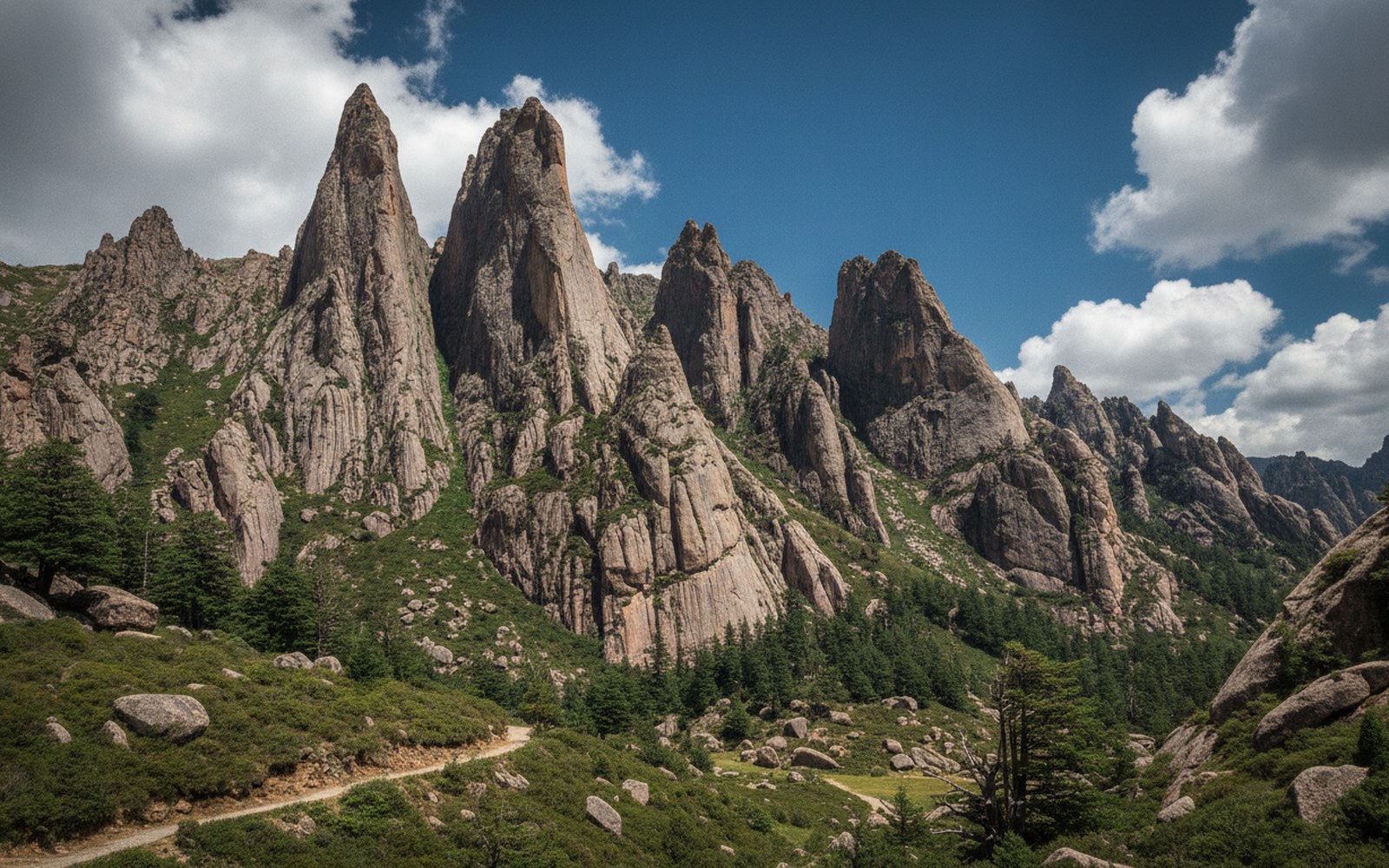
Towering granite spires pierce the sky, offering dramatic vistas. Best photographed at sunrise when the rock glows golden. A must-see for geology enthusiasts and hikers.
Crystal-clear glacial lakes reflect the surrounding peaks, creating mirror-like surfaces. Pack a picnic and enjoy the serene atmosphere. The turquoise hues are unforgettable.
At over 4,000 meters, the thin air and vast landscapes offer a unique adventure. Acclimatize slowly and stay hydrated. The panoramic views are worth every step.
Monasteries showcase intricate Tibetan architecture with golden roofs and colorful murals. Wander through courtyards and prayer halls. Each corner reveals artistic mastery.
These monasteries follow the Gelug school of Tibetan Buddhism. Observe monks in debate or join a prayer session. The spiritual atmosphere is palpable and enlightening.
Engage with local monks and learn about ancient rituals. Try butter tea in the monastery kitchen. This immersive experience deepens your understanding of Tibetan culture.
Endless grasslands and rolling hills stretch to the horizon. Ideal for scenic drives and photography. The sense of openness is liberating and humbling.
Keep your binoculars ready for blue sheep, marmots, and rare birds. Early morning or dusk are prime times. Respect wildlife and maintain a safe distance.
Meet nomadic herders and share stories around a campfire. Learn about their traditional lifestyle. These genuine interactions are the heart of any visit.
Best Time to Visit
Each season offers something different.
Spring
Cool and dry, with temperatures rising gradually. Pack layers and be prepared for occasional dust storms.
Summer
Mild and pleasant, with lush green grasslands and frequent afternoon showers. Ideal for outdoor activities and cultural festivals.
Autumn
Clear skies and crisp air, with golden grasslands. Perfect for photography and hiking, but nights can be cold.
Winter
Cold and dry, with heavy snowfall possible. Roads may be icy; travel is challenging but offers serene snowy landscapes.
Suggested Itineraries
Plans for every schedule.
Classic 2-Day
Day 1: Granite Spires, Glacial Lakes. Day 2: High Altitude Experience, Architectural Beauty.
Cultural 3-Day
Day 1: Gelug Tradition, Architectural Beauty. Day 2: Cultural Immersion, Cultural Encounters. Day 3: Vast Landscapes, Wildlife Spotting.
Nature 4-Day
Day 1: Granite Spires, Glacial Lakes. Day 2: High Altitude Experience, Vast Landscapes. Day 3: Wildlife Spotting, Cultural Encounters. Day 4: Gelug Tradition, Architectural Beauty.
Local Tips
Insider knowledge for a smoother trip.
Banma is at high altitude; acclimatize slowly and stay hydrated to avoid altitude sickness.
When visiting monasteries, dress modestly and follow local etiquette.
Temperatures vary greatly; bring warm clothing even in summer for cool evenings.
Public transport is limited; consider hiring a local driver for flexibility.
Tibetan is widely spoken; learning a few basic phrases can enhance your experience.
ATMs may be scarce; carry enough cash for your stay.
FAQs About banma
Quick answers to common questions.
Ready to Explore banma?
Let MagicTrip build the perfect banma itinerary — tailored to your interests, pace, and budget.