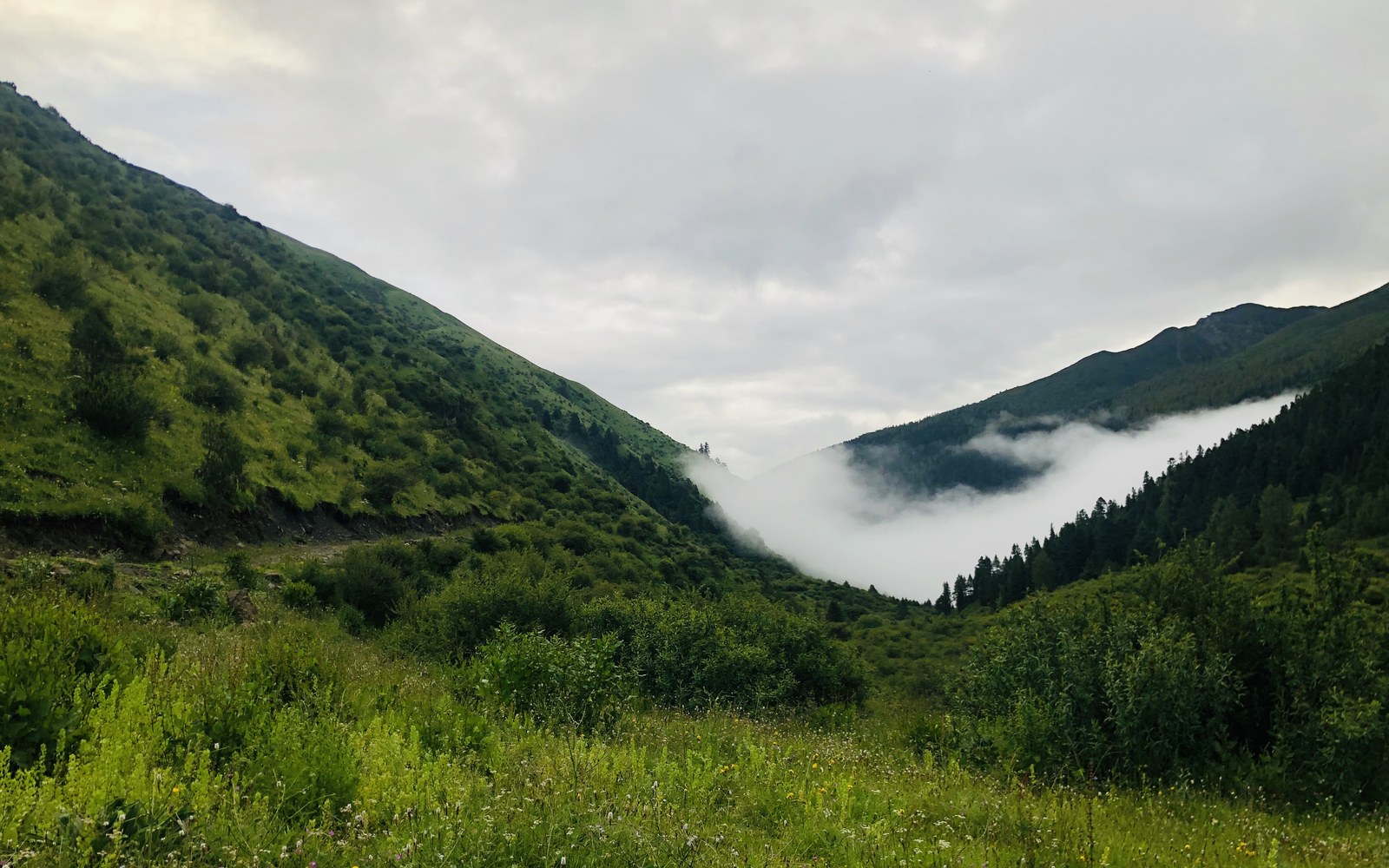
Aba
High-altitude Tibetan culture and vast grassland wilderness in northwestern Sichuan.
aba at a Glance
Everything you need to know before you go.
Where to Stay
Choose the neighborhood that fits your style.
Aba County Town & Surrounding Highlands
Aba County Town serves as the regional hub, offering basic amenities, local eateries, and transport links to nearby highland attractions. The surrounding highlands feature vast grasslands and traditional Tibetan villages, ideal for cultural immersion and scenic drives. Suits travelers seeking a base with authentic local life and easy access to pastoral landscapes.
Cultural hubZoige-Tangke Wetlands & Yellow River Bends
This area encompasses the expansive Zoige Wetland, one of the largest in the world, and the dramatic Yellow River First Bend. Visitors can observe diverse birdlife, nomadic herders, and stunning sunsets over the river. The region is remote, with limited lodging but offers a pristine, off-the-beaten-path experience for nature enthusiasts and photographers.
Nature escapeHongyuan Grasslands & Moon Bay
Hongyuan Grasslands are renowned for their endless rolling meadows and seasonal wildflowers, with Moon Bay offering a picturesque meander of the White River. The area provides opportunities for horse riding, camping, and experiencing Tibetan nomadic culture. It's a peaceful retreat for those wanting to immerse in vast, unspoiled landscapes away from urban bustle.
Scenic vastnessJiuzhaigou & Huanglong Scenic Corridor
Though technically outside Aba County, this corridor is the region's main draw, featuring Jiuzhaigou's turquoise lakes and Huanglong's colorful travertine pools. The area has well-developed tourist infrastructure, including hotels and shuttle services, but can be crowded. Ideal for first-time visitors seeking world-class natural wonders and convenient access.
Top attractionsaba Highlights
The city's essential experiences.
Famous for its 108 turquoise lakes and waterfalls, including Five Flower Lake and Nuorilang Falls, China's widest alpine waterfall. Book tickets in advance as entry is limited during peak season.
Home to over 3,400 colorful travertine pools cascading like terraces, with the Five Color Pond at 3,576m. Visit in autumn for the most vibrant colors, and take the cable car to save energy.
A scenic valley with snow mountains, forests, glaciers, and lakes like Dragon King Sea and Pan Sheep Lake. Famous for red leaves in autumn and winter snow activities; take the sightseeing bus to explore.
Known as the 'Queen of Sichuan Mountains', this peak group offers three valleys: Shuangqiao (cable car), Changping (hiking/horse), and Haizi (trekking). Shuangqiao is a top ice-climbing spot.
The world's lowest-altitude and youngest glacier, with a cable car rising from 3,600m to 4,860m. Enjoy panoramic views from the summit and colorful autumn forests below.
A sacred mountain in Tibetan culture, featuring dramatic rock peaks and 367 glacial lakes. It's a birthplace of the Gesar epic, offering pristine hiking and photography.
A Ming-dynasty walled town with well-preserved ramparts (6.2km long, 12.5m high). A key stop on the ancient Tea-Horse Road, it blends Han, Tibetan, Qiang, and Hui cultures.
A five-story stone tower built in 1286, once home to the local Tusi chief and setting for the novel 'Dust Settled'. Explore 53 rooms of historic architecture.
The world's best-preserved Qiang fortress-village, with 98 households and watchtowers up to 30m. Its 3D network of above and underground passages is unique; film 'Saving General Yang' was shot here.
China's most beautiful wetland grassland, with Flower Lake ideal for spotting black-necked cranes in summer. The Yellow River First Bend at Tangke offers stunning sunset views.
Where the Yellow River meets the Bai River, forming a majestic S-shaped bend. Climb the escalator for a panoramic view, especially magical at sunset.
Best Time to Visit
Each season offers something different.
Spring
Cool and dry, with blooming flowers. Pack layers and be prepared for temperature swings.
Summer
Mild and rainy, ideal for lush green landscapes. Bring rain gear and enjoy the waterfalls.
Autumn
Crisp and clear, with stunning fall foliage. This is the peak season, so book early.
Winter
Cold and snowy, offering serene snowscapes. Some areas may be inaccessible; check road conditions.
Suggested Itineraries
Plans for every schedule.
Classic 2-Day
Day 1: Aba County, Scenic Drive to Aba, Highland Grasslands. Day 2: Tibetan Buddhist Rituals, Yellow River Wetlands, Pastoral Grasslands.
Nature & Culture 3-Day
Day 1: Aba County, Scenic Drive to Aba. Day 2: Highland Grasslands, Pastoral Grasslands. Day 3: Tibetan Buddhist Rituals, Yellow River Wetlands.
Immersive 4-Day
Day 1: Aba County, Scenic Drive to Aba. Day 2: Highland Grasslands, Pastoral Grasslands. Day 3: Tibetan Buddhist Rituals, Yellow River Wetlands. Day 4: Return to Aba County for departure.
Local Tips
Insider knowledge for a smoother trip.
Aba is high altitude; take it slow to avoid altitude sickness.
Some areas require permits for foreigners; arrange in advance.
Weather changes quickly; bring warm clothing even in summer.
Tibetan and Qiang cultures are prominent; be respectful at religious sites.
Mountain roads can be tricky; drive cautiously or hire a local driver.
Peak season (autumn) is crowded; reserve hotels and tickets early.
FAQs About aba
Quick answers to common questions.
Ready to Explore aba?
Let MagicTrip build the perfect aba itinerary — tailored to your interests, pace, and budget.